Christ’s Demand for Unity this Christmas
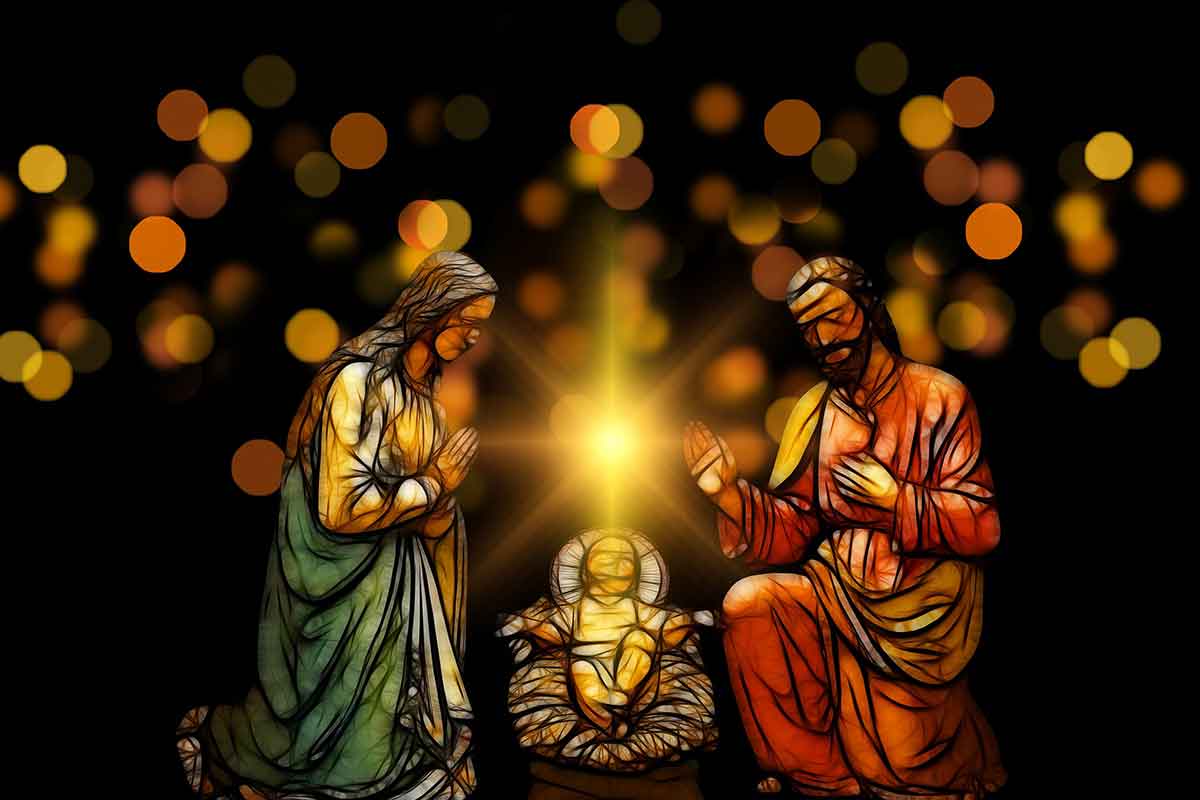
Photo: Gerd Altmann/Pixabay
Christmas is a time for solidarity and reflection on the meaning of the incarnation, according to Felisberto Juliana Dumbo SCJ & Kelvin Banda OP.
Christmas is a solemn time when the Church celebrates God becoming human in the birth of Christ. Therefore, Christmas is also a period of reflecting on how Christ incarnate as a new Ancestor brings unity to divided Africa, moving away from tribalism, nepotism, broken families, egoism, individualism, and consumerism. Through the incarnation, Christ becomes our brother in the Father. As mediator, Christ unites every one of us and becomes the model of Christian conduct. Christmas is therefore a time for reflecting and celebrating Christ’s love, that is, bridging the gap caused by our sins.
This experience of having Jesus among us has been a cause of joy and communion because many African myths narrate that in the beginning God was close to humanity and lived in friendly companionship with us. Due to human pride, this relationship was broken. Therefore, it is said that God’s love restored human struggles by sending his only Son to redeem the world.

The incarnation of Christ embraces the whole universe; and so it presents a challenge for African society today. Through his incarnation Christ caused humanity to participate in the divine nature, therefore there is no Zulu, Shona, Tsonga, but rather one unique family marked through the love of Christ.
How is Christmas celebrated today? Due to egoism and tribalism, people rarely share what they are and what they have. Of course, Christmas is a family day when people come together to celebrate. But who are those who join these celebrations? Often the meaning of family is reduced to blood ties, or to those of the same clan, culture, language. Often, we are particular about what we have to offer and whom we include. In this regard, Christmas loses its meaning if it doesn’t embrace each and every one, in the sense that people should be able to invite others, especially those who are marginalised, and people should be able to share with those who have little so that they may celebrate together the incarnation of Christ who as Ancestor brings unity in this divided Africa.
Are we Christians or Herods?
Christmas should allow time to meditate on how many times we ourselves have been Herods. Today Africa is facing political, economic and social crises due to lack of honesty, responsibility and openness. If Christ’s incarnation is to bring us unity, then we must discard the spirit of King Herod. Many people in Africa are born defenceless. There are many child orphans who are abandoned in the streets. Xenophobia and consumerism cause exploitation and a culture of death, also through voluntary abortion. People are seen as objects and are mistreated because of their culture, skin colour and language. This tendency is growing because Christmas is seen by most people as a time for simply drinking, eating and merrymaking instead of being a time for talking, listening and being in solidarity with others.
Christmas should lead us to change our behaviour and to embrace Christ who destroys the barriers of culture, language, interests and death. It is a time for reflecting on the message that Christ brings to humanity.
If the Church, as Family in Africa, is to be relevant, we Christians must start by destroying what divides us, such as tribalism, nepotism, and egoism. In doing so the spirit of unity, communion, family and celebration will remain part of our mission.
Published in the December 2021 issue of The Southern Cross magazine

- Rachel’s Vineyard Healing Ministry - April 8, 2026
- Pope Leo: Christ is Risen! - April 7, 2026
- Easter Prayer - April 5, 2026