How Do We Want to Be Remembered?
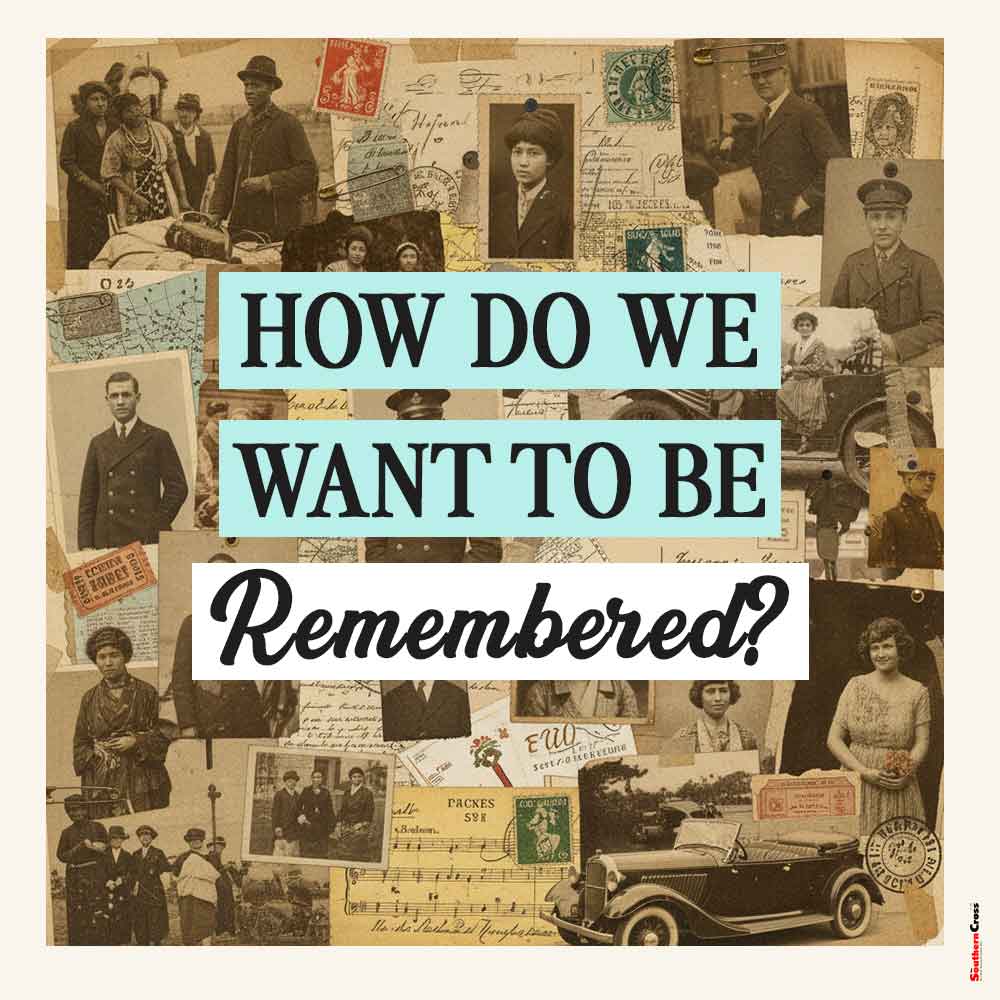
By James Katende – What legacy do we as people want to actually leave on this earth, not just as Catholics but as human beings? This question strikes at the core of who we are and what we value.
Life is not just about how long we live or how much we accumulate. It is about what remains after we are gone. What do we want others to remember us for? What kind of world do we want to leave behind for the next generation? Whether we come from a religious background or not, the need for meaning, purpose, and contribution is something deeply human. The kind of legacy we leave is shaped by how we treat others, how we care for the earth, how we uplift those around us, and how we live out our values in both private and public life.
Many people chase personal success, financial wealth, and recognition. While these things can be part of a meaningful life, they are not what people remember most. Rarely does someone speak at a funeral about how big a house someone had or how many awards they won. What people remember is how someone made them feel. Were they kind? Were they generous with their time? Did they help when no one was watching? Did they make others feel seen and valued? These are the qualities that leave a mark long after someone is gone. A true legacy is not measured in status but in love, service, and integrity.

As human beings, we have the unique ability to influence the world around us through our choices. Every day, we are building a legacy whether we realise it or not. It shows in how we speak to people, how we respond to conflict, how we handle failure, and how we treat those who cannot give us anything in return. It is easy to talk about kindness and compassion, but the real test is whether we live those values when it costs us something. If we want to leave a legacy that matters, it must be rooted in actions, not just intentions. A good legacy is not something that magically appears at the end of life. It is built moment by moment, choice by choice.
Even beyond personal relationships, we must ask what kind of society we are helping to create. Are we contributing to a world where justice and equality are possible? Are we using our voice to speak up for those who are unheard? Are we standing up for what is right, even when it is uncomfortable? Our legacy is shaped not only by our personal lives but also by how we engage with the world around us. Silence in the face of injustice is a form of agreement. Indifference to suffering allows it to grow. If we want to be remembered for doing good, we must be willing to take action even when it is not convenient. The world needs more people who care deeply and act bravely.
Caring for the environment is another vital part of the legacy we leave behind. The earth is not something we own; it is something we borrow and must protect. Future generations will live with the results of how we treat the planet today. If we pollute it, destroy its resources, and ignore the damage, we are handing them a world in crisis. But if we work toward sustainability, protect nature, and promote a healthy relationship with the environment, we leave behind a gift that goes beyond words. Stewardship is not only a religious principle but a human responsibility. To care for creation is to show respect for life itself.
For those who come from a faith tradition, legacy often includes spiritual values such as love, forgiveness, humility, and faith. But even outside of religion, these values hold great power. To live with humility is to admit we do not have all the answers. To forgive is to release the weight of bitterness. To love is to choose empathy and connection over judgment and separation. These are not just religious ideals; they are human ideals. They remind us that while we may come from different cultures or beliefs, we all share the same need to be seen, loved, and remembered.
One of the most powerful ways to leave a legacy is through mentorship and guiding others. Whether it is raising children, teaching, volunteering, or simply offering support to someone who is struggling, investing in people is one of the most lasting contributions we can make. When we help someone grow into their full potential, a part of us lives on in them. Our influence does not die with us. It multiplies in the lives we touch. We must never underestimate the power of a kind word, a listening ear, or a helping hand. These small moments can shape someone’s entire life.
The legacy we leave is not about being perfect or doing something grand. It is about living with purpose, choosing love over fear, action over apathy, and truth over comfort. It is about building bridges, not walls. It is about showing up for others and being true to ourselves. It is about leaving the world just a little better than we found it. Whether we identify as Catholic or not, we all have the chance to write a story worth remembering. The question is not what we want to say about our lives when they are over. The question is what we are doing today to make those words true. Because in the end, the most powerful legacy is a life well lived, a heart fully open, and a soul that gave more than it took.
- Why Holy Week is an important milestone in the Catholic faith - March 30, 2026
- The Lenten Season - February 19, 2026
- Celebrating 75 Years of Southern African Hierarchy - January 30, 2026