Invest in Community: CATHCA’s Urgent Call ahead of Global Fund Summit
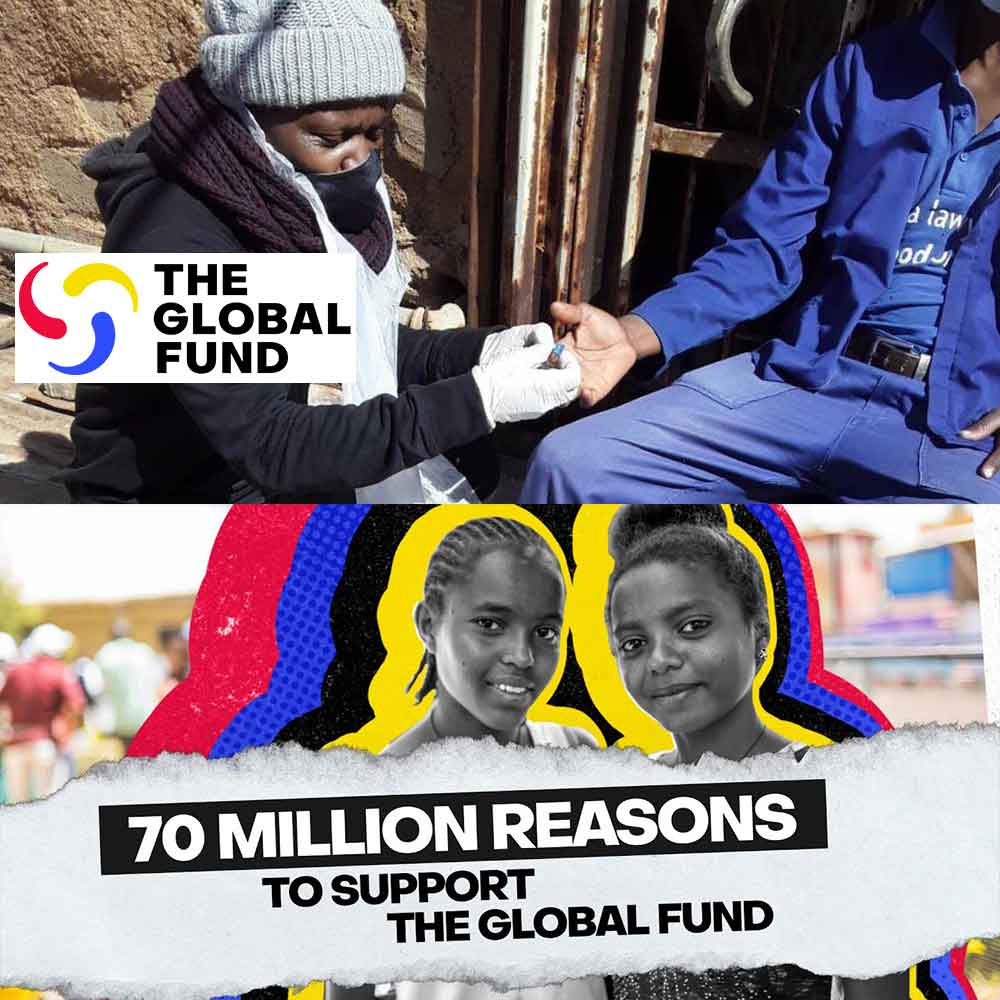
The Catholic Health Care Association of Southern Africa (CATHCA) has issued an urgent message to world leaders ahead of the Global Fund’s Eighth Replenishment Summit: to defeat HIV, TB, and malaria, investment must be directed toward community-based health care to reach the most marginalised populations.
What is the Global Fund? The Global Fund is the world’s largest financier of AIDS, TB, and malaria prevention, treatment, and care programmes.
CATHCA argues that the key to winning the fight against these diseases lies in strengthening the local, grassroots initiatives that serve people “on the margins” who are often excluded from formal health systems due to poverty, geography, stigma, or documentation status.

CATHCA’s Core Message and Rationale
CATHCA’s position is based on the belief that health care must be about the care of the whole person and must uphold the God-given dignity of every person.
- The Problem: Underprivileged and marginalised populations—such as those in informal settlements, remote rural areas, mining communities, and disadvantaged migrants—are often left behind. Fear, stigma, distance, and lack of trust prevent them from accessing basic health services.
- The Solution: Community-Based Care: Local caregivers, volunteers, faith groups, and small clinics act as trusted anchors that bridge the gap between underserved communities and the broader health system.
Characteristics of Effective Community-Based Care
CATHCA highlights several successful attributes of community-led initiatives:
- Faith and Compassion: Rooted in compassion and justice, these organisations are often seen as welcoming and non-discriminatory. This ethos of “welcoming the stranger” encourages vulnerable groups, like undocumented mothers or ill miners, to seek help without fear of judgment, rejection, or deportation.
- Holistic and Relational: Care goes beyond treating disease. It involves caring for the “heart, body, mind, and spirit.” Community health workers build trusting relationships, offer a listening ear, and address social and emotional needs alongside physical health (e.g., providing nutrition support, consoling the newly diagnosed, or supporting treatment adherence).
- Integrated and Supportive: Community clinics integrate services (e.g., HIV testing with TB screening) and strengthen the broader health system by complementing and connecting with government services. They receive training, align with national priorities, and contribute to public health strategies.
- Sustainable: Even after specific projects end, the trained caregivers remain, trust persists, and strengthened local systems continue to provide long-term resilience and consistent, compassionate care.
The Call to Action
CATHCA urges governments, donors, and partners to strengthen investment in community-based health care.
- Directed Resources: Investment should be directed to grassroots initiatives that understand local languages, build trust through physical presence, and recognise the lived realities of the communities they serve.
- Social Justice: The call is framed as an issue of social justice, affirming the principle that “where you live shouldn’t determine whether you live.”
- Ubuntu: CATHCA closes with the spirit of Ubuntu—”I am because we are”—stating that solidarity requires bringing health services closer to the doorsteps of the marginalised and sustaining the hope within their communities.

- Rachel’s Vineyard Healing Ministry - April 8, 2026
- Pope Leo: Christ is Risen! - April 7, 2026
- Easter Prayer - April 5, 2026