Root Out Poison On Our Foods
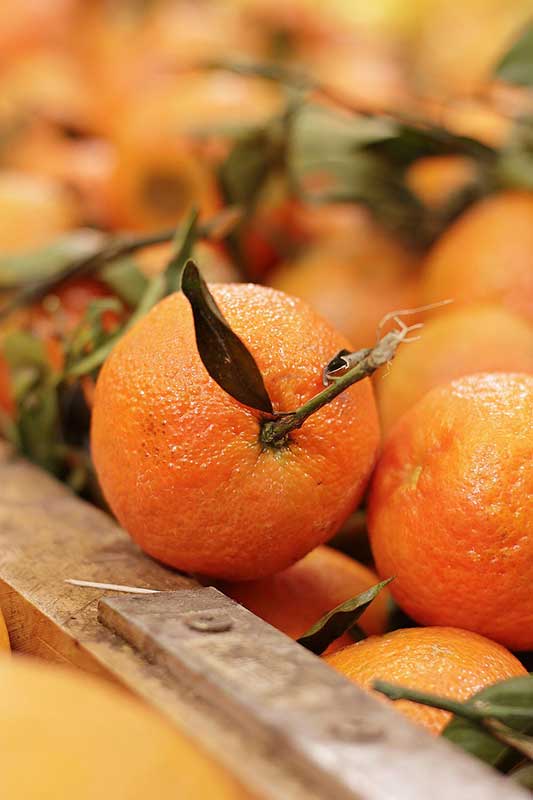
Photo: Pixabay
By Sr Angelika Laub – In 2024, South Africans were jolted into awareness of a silent killer in their midst when several schoolchildren died after consuming food tainted with pesticides.
The food, bought at school, on the streets or in spaza shops, was found to contain several pesticides, including Terbufos — a highly hazardous chemical, intended for agricultural use only.
Over the past century, South Africa has developed an agricultural system that is heavily reliant on chemical fertilisers and increasingly toxic pesticides. Control of this multi-billion-rand industry — whether local production or imports — has remained firmly in the hands of CropLife and the wider chemical industry.

At a 2020 international conference on chemical management, 373 civil society and indigenous peoples’ organisations called for a global phase-out of highly hazardous pesticides (HHPs). South Africa’s government has made various attempts to strengthen regulation of such chemicals, particularly in relation to their import, use, and production — but with limited success.
A pesticide is classified as highly hazardous if it:
- is extremely toxic;
- may cause chronic health effects;
- persists in the environment;
- is banned or heavily restricted in other countries.
A 75-year-old law today
South Africa’s current pesticide legislation is 75 years old! After considerable advocacy, the national Registrar for Hazardous Substances committed to phasing out 116 toxic substances by June 2024, including Terbufos. However, only 28 have so far been identified for removal — but not Terbufos.
In 2021, the Department of the Environment withdrew from obligations under the Rotterdam Convention, thereby avoiding necessary policy reform. Following a 12-day visit, the UN Special Rapporteur on Human Rights and Toxic Substances concluded that South Africa’s agri-chemical industry wielded impermissible influence over the government, leading to serious human rights neglect.
Terbufos is just one of over 9000 toxic chemicals approved for use in South Africa. It is widely used in vineyards, citrus groves, and maize and sorghum fields. On many farms, men are tasked with spraying the insecticide while women are sent into the fields shortly after — often without protective clothing or washing facilities. Aerial spraying near rural communities exposes entire villages to hazardous chemicals.
Farmworkers, already facing extremely vulnerable working conditions, earn meagre wages and often lack access to healthcare. During the spraying season, starting in November, symptoms such as asthma, sinus infections, irritated eyes, headaches, mood swings, and other long-term health effects are common.
Hazardous pesticides are also used in vegetable and horticultural production. Until recently, Terbufos and similar chemicals were even sold informally on the streets and in spaza shops, often without proper labelling.
Civil society’s demands
Yet many of these substances could be replaced by less harmful alternatives. Under the leadership of the South African Biodiversity Institute, civil society organisations have called on the Department of Agriculture to immediately ban Terbufos, and all highly hazardous pesticides within three months; overhaul the pesticide registration system within 12 months; and end aerial spraying.
The late Pope Francis — who declared September 1 the World Day of Prayer for the Care of Creation — would have agreed with these demands. In his 2015 encyclical Laudato Si’, he criticised the overreliance on chemicals in industrial farming. He noted that substances such as fertilisers, insecticides, fungicides, herbicides and other agrotoxins contribute to pollution that affects everyone, leading to health hazards and environmental degradation.
He warned that technological interventions, often driven by business interests, can solve one problem only to create others, failing to recognise the interconnectedness of natural systems.
The chemical industry’s stronghold in South Africa makes progress difficult. Nonetheless, government and civil society must clearly distinguish between foodborne illnesses and poisoning caused by toxic pesticides. It’s also crucial to raise public awareness that much of our food — fruits and vegetables in particular — is exposed to chemicals and must be thoroughly washed.
As a country, we must move away from industrial agriculture, which destroys soil life and vital pollinators such as bees, earthworms and birds. Instead, we should strongly embrace ethical agro-ecological farming, which nourishes the soil and minimises pesticide use. Within our homes and communities, pesticide use must be reduced, and information centres established by government to guide responsible use.
This national effort to cleanse our air, soil, and water of pesticide pollution will improve public health, protect farmworkers and rural communities, and offer a significant act of healing to our troubled earth.
Sr Angelika is a Dominican Sister writing from Pretoria.
Published in the September 2025 issue of The Southern Cross magazine

- Rachel’s Vineyard Healing Ministry - April 8, 2026
- Pope Leo: Christ is Risen! - April 7, 2026
- Easter Prayer - April 5, 2026