
Trials and Wounds: “Divine Medicine” for the Soul
By Laurika Nxumalo – The Church is where many of us first heard about God’s immense love for humanity. Church is the last place where a person would expect to be hurt – unfortunately, for some people, they got wounded where they were expecting to experience love.
These wounds take many forms – some are subtle (gossip, favouritism, spiritual consumerism, or dismissiveness toward the laity) and others are very thorny (abuse of authority, manipulation, neglect, clericalism, or moral failure). These wounds linger because they touch faith itself. You may find yourself questioning not only people but prayer. You may still believe in Jesus, yet feel unable to walk through those parish doors without feeling anxious.
Depths of Betrayal
For the laity, church wounds can tempt withdrawal, and for the clergy, such wounds can trigger defensiveness or despair. To be wounded within the walls of the church can feel like being wounded by family or even by God. People often say, “I expected this from the world, but not from the Church.” That sentence reveals the depth of the betrayal felt.

Wounds inflicted within the confines of the Church can distort one’s image of God. A harsh spiritual authority can make God seem harsh, and a controlling environment can make faith feel suffocating. When leaders fail pastorally or morally, a trust deficit occurs. When laity weaponise reform or orthodoxy, divisions deepen.
The tragedy is that these wounds can drive people away not just from parish life, but from the sacraments, prayer, and community. Some quietly leave, and others remain physically present but emotionally guarded. Some lose trust in priests, others lose trust in fellow Catholics, and some start struggling with trusting God.
Christ is with you in Pain
When the Church hurts you, remember this – Christ is not absent from your pain because He understands exactly how you feel. He was betrayed by one of His own, denied by another, and abandoned by many. Christ’s pierced side has long been understood as the birthplace of the Church – blood and water, which are symbols of the sacraments that flowed from His side. The Church herself is born from a wound. This means that vulnerability, not dominance, stands at the centre of Christianity. Our brokenness does not turn into a barrier to communion with God, it can become a meeting point, just like Thomas’s testimony, “My Lord and my God”, when he touched Christ’s scars. Touching those wounds did not weaken his (Thomas) faith, rather, they strengthened it.
Those who have suffered within the Church often become the most attentive to others’ pain. They can recognise subtle signs of harm. They can advocate for healthier leadership and mature discipleship. They can even help build communities where honesty and charity coexist.
Healing
When healing begins, something remarkable happens – faith matures. It is usually quiet and patient – a gradual softening of guarded places, a renewed ability to pray, and a cautious return to trust. It becomes less dependent on personalities and more anchored in Christ. It becomes less idealistic but more resilient.
Healing may involve seeking spiritual direction, counselling, or even worshipping in a different parish for some time. It also may require time away from certain ministries. Making an effort to heal from church wounds is not disloyalty, it is the stewardship of one’s soul.
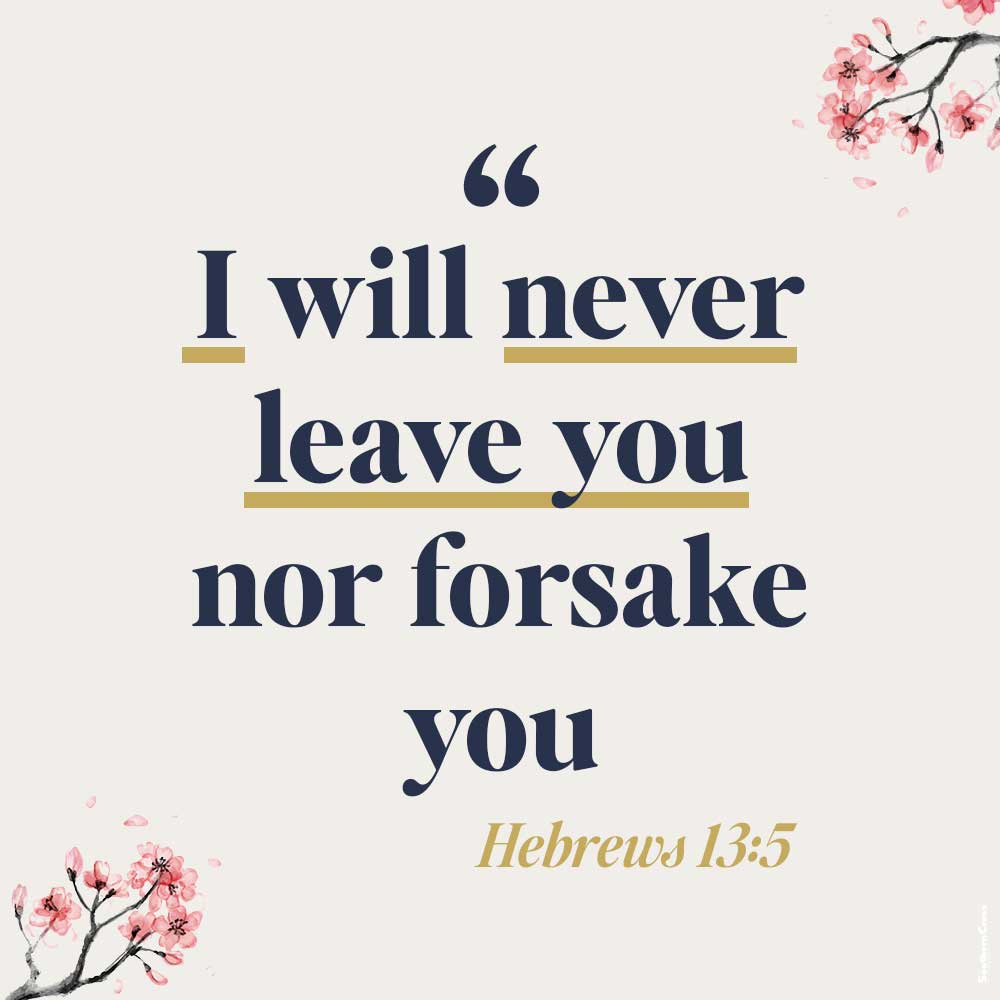
If the Church, who is not perfect in her members (but sustained by a perfect God) might have hurt you, just know that Christ will never abandon you.
- Trials and Wounds: “Divine Medicine” for the Soul - March 4, 2026
- The Church is Not a Monologue, She is a Conversation in the Spirit - January 30, 2026
- The Clericalism of the Laity: A Hidden Obstacle to a Synodal Church - October 18, 2025



