Did Jesus Tell Us to Ignore the Poor?
Question: When Jesus says, “The poor will always be among us”, is he giving up on solving the problem of poverty and telling us to focus on other pressing matters?
Answer: This is a scripture that is often misunderstood, and even misrepresented. When Jesus says, “The poor you will always have with you” (Mt 26:11; Mk 14:7; Jn 12:8), he is not giving up on solving poverty, nor telling us to ignore it.
The full verse states: “For you always have the poor with you, but you will not always have me.”

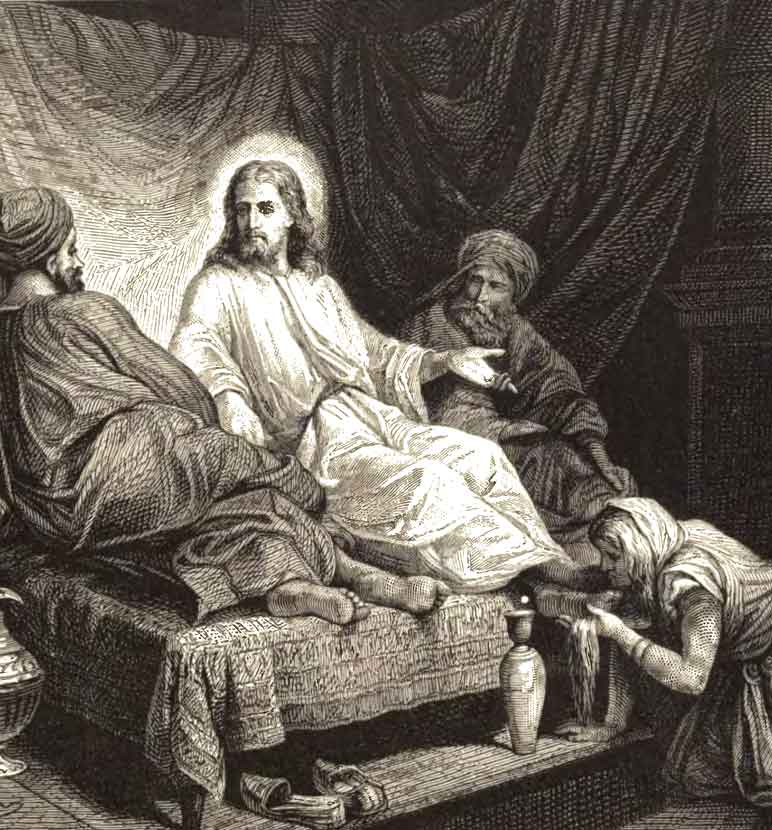
The context is a scene in Bethany shortly before Jesus’ Passion. A woman — likely Mary of Bethany — offers an extravagant act of devotion by applying nard, an expensive perfume, on Jesus. Neither she nor the disciples can know that this is, in fact, an act of anointment which prepares Jesus’ body for his impending burial.
The disciples, particularly Judas Iscariot, react with indignation, calling that act a waste. They argue that the perfume could have been sold and the money given to the poor. But Jesus defends the woman, highlighting the unique and imminent significance of his presence and mission.
His statement does not propose indifference to the plight of the poor or failing to advocate for the neglect of their needs. On the contrary. In the Gospels, Jesus consistently emphasises care for the poor, the marginalised and the oppressed. For example, in Matthew 25:31–46, he teaches that how we treat the least of his brothers and sisters is a reflection of our relationship with him. This clearly shows that concern for the poor is integral to the Christian life.
As he addresses the disciples, Jesus is quoting from Deuteronomy 15:11, which says: “There will always be poor people in the land. Therefore I command you to be open-handed towards your fellow Israelites who are poor and needy.” The ongoing presence of the poor is presented here not as resignation to poverty but as a call to continual giving.
In this way, Jesus’ words become a summons to solidarity and service, urging us to respond to the needs of the marginalised as an expression of our relationship with God.
The second clause of Jesus’ admonition recognises a specific moment in salvation history: his impending death. He is defending an act of love and devotion in a unique situation — his preparation for burial — and reminds the disciples that his physical presence among them is fleeting.
Jesus emphasises the importance of recognising and seizing the moment of his presence and ministry. While the poor will always be with us — and we are called to serve them — the opportunity to encounter Christ and respond to his call is always in the present. We must constantly renew our commitment to the Lord.
The Gospel therefore calls on us to seek spiritual growth and deeper engagement with Christ, which in turn can and should inspire and empower meaningful action to alleviate the suffering of others.
(Answered by Günther Simmermacher)
Published in the November 2025 issue of The Southern Cross

- Rachel’s Vineyard Healing Ministry - April 8, 2026
- Pope Leo: Christ is Risen! - April 7, 2026
- Easter Prayer - April 5, 2026