Woman: Call Me By My Name
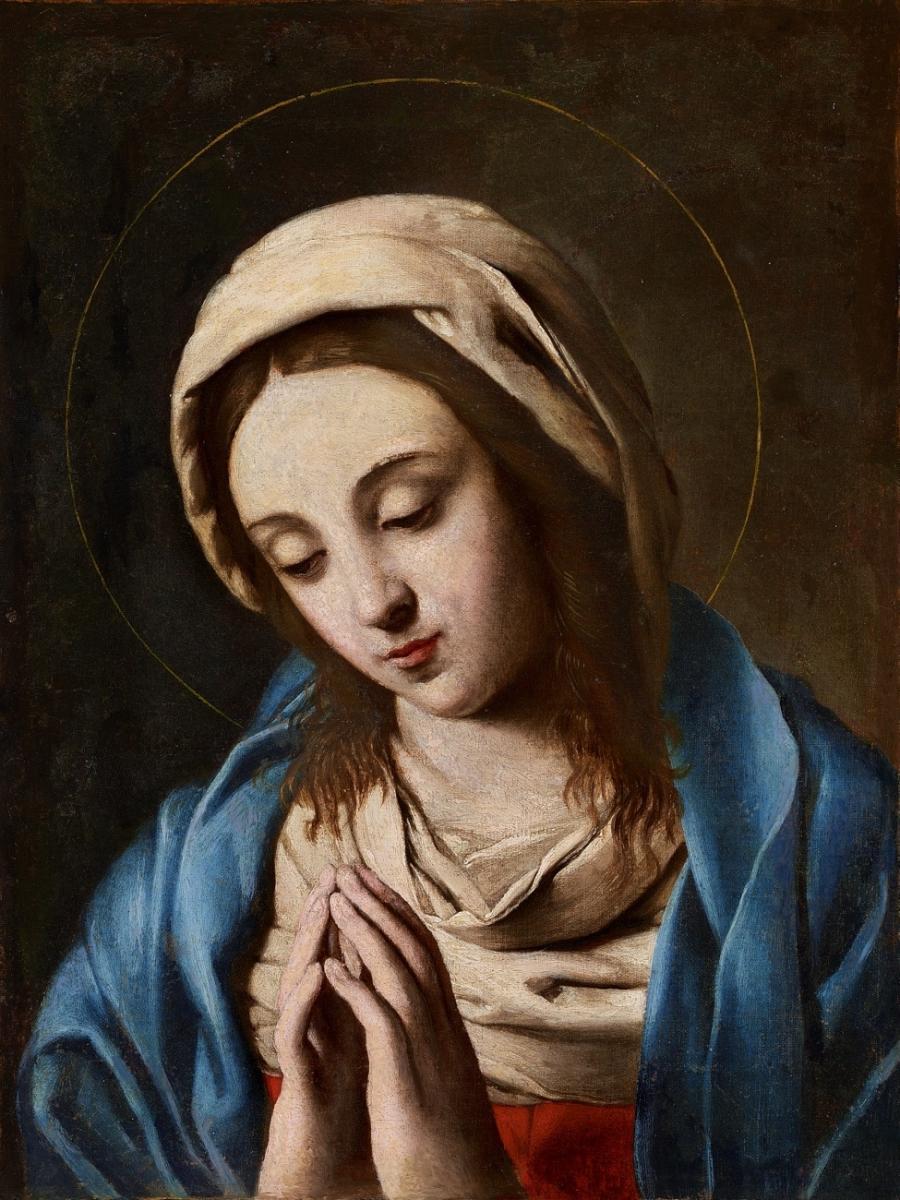
The Virgin in Prayer – Painted by Il Sassoferrato
Imelda Diouf is a South African educator. This is the seventh in a twelve-part series that unpacks the theme of family relations, using multicultural and multidisciplinary perspectives.
There are many images of a woman. The Bible details many different women: mothers, sisters, daughters, queens, wives, servants, prostitutes, philosophers, fighters, widows, women with illnesses and with physical sufferings, mothers-in-law, old and young.
Their presence is a testament to the role that they played in the daily life of communities of the time.

Mary is lauded and praised. “For he hath regarded the low estate of his handmaiden: for, behold, from henceforth all generations shall call me blessed” (Luke 1:48). Indeed Marian shrines as places of worship and pilgrimage can be found in many countries, on every continent, from Vietnam to Venezuela, Russia to Rwanda, Poland to Pakistan.
There are many names for a woman. Beloved, darling, dearest and sweetie. Aphrodite, princess, cookie, siren and lover. Baby mama, wife, caregiver and supporter. Mother, mom, mum, mummy and mama. Witch, bitch, bimbo, slut and whore. Muse, virgin… the list is endless.
There are so many ideas of a woman. As part of, as possession and given to. The man said: “This is now bone of my bones and flesh of my flesh” (Gen 2:18-23). — at text that is sometimes used to prove ownership and power over the other. On the other hand, woman is the man’s “ezer kenegedo”, a Hebrew term which literally means “a strength corresponding to him (Gen 2:18). Within family relationships strength of the unit is derived by understanding and unity, not with aggression, derogatory name-calling, humiliation, violence and selfishness.
There are so many names to call a woman. The names that we call each other always have a context, an emotion, a relationship. Within the family these same names for women, spoken and unspoken, are bound by time and space. At times we draw from the well of appreciation and choose names that are soft and loving. At other times we draw from the well of anger and choose words that are designed to denigrate and disparage.
Who is the real Mary? Is she imagined and sanitised?
Catholics have a very special love for Mary, the mother of Jesus. The woman who birthed him, raised him and stood by him through the turmoil of the political and social conflict of the time. She is the ultimate symbol of motherhood. Her virtues of humbleness, purity, modesty and faith are lauded. She is the mother of all humanity.
Mary is a strong woman who stood beneath the cross. She represents generosity and fidelity; the gift of oneself to others. Her life corresponds so well with many women’s lives: leaving home, being homeless, refusal of help while birthing, searching for a missing teenager and standing by a family member who is persecuted by an angry judgmental mob. Being present at the time of death.
Mary is both complicated and simple. She is full of simplicity: “yes” to God, “yes” to the daily routines, “yes” to her husband, “yes” to family and friends, “yes” to the wider community and tradition. She is mother and carer, yet she remains humble and pure, sexless. Her purity and virginity is contrasted with the other Mary Magdalene, and the power of the supposed prostitute.
Contemporary Catholics, Lutherans, Orthodox Christians, Anglicans and many other believers pray to Mary because she is seen as the refuge and advocate of sinners, protector from dangers and powerful intercessor with her son. Yet many other Christians shy away from Mary and consider praise and worship of her to be blasphemous and sinful. Simple and complicated.
Did Mary scream and shout and get frustrated with men and marriage and parenting? How did she deal with menstruation and hormones and menopause? Did she gossip and fight and show her power through aggression? When we, as Catholics, pray to her and ask her to intercede, we want to know that she understands what being a woman is about. Can we perceive only perfection and holiness? Or can we be drawn into a sisterhood of understanding that womanhood takes account of the highs and lows of belonging to a family and community.
Women and men are different. They are different in terms of their biological composition, but difference should never be equated with power over the other. The role of motherhood and mothering and caring is neither powerful nor submissive. It varies culturally, it has its own roots in history and beliefs. It is, however, naturally constituted.
Pope John Paul II wrote that “the virtues of women must correspond to the nature of women”, which is constituted in such a way that each woman’s mission is “to welcome [and] to care for the human person” (Mulieries Dignitatem). Families must take into consideration the roles which women are playing both within homes and in a prominent part of the living and working structures of their communities.
Communities are not perfect. As much as families and communities need strong members, strength can only be realised because weakness is acknowledged. Society needs women who are perfectly imperfect.
“My grace is sufficient for you, for my power is made perfect in weakness. (2 Cor 12:9)

- Private and Public Families - June 19, 2024
- Citizen Families - May 28, 2024
- Family Relations: Contradictions - April 26, 2024