As tensions continue to rise over planned anti-migrant protests around South Africa, the Southern African Catholic Bishops’ Conference (SACBC) has appealed for calm, urging all parties to reject violence and respect the rule of law.
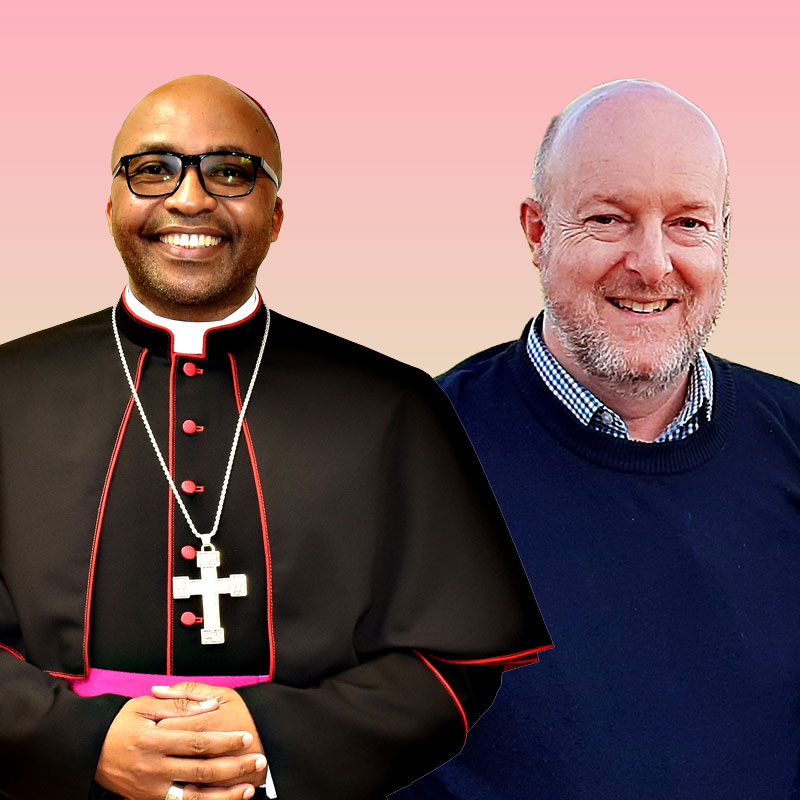
In a statement issued by Bishop Thulani Mbuyisa, president of the SACBC Justice & Peace Commission, and SACBC secretary-general Fr Hugh O’Connor, the bishops’ conference warned against scapegoating foreign nationals and spreading misinformation that could inflame tensions.
The appeal comes as June 30 approaches, a date promoted by some anti-migrant groups as a “deadline” for undocumented foreigners to leave South Africa.
The South African government has repeatedly stated that no official June 30 deadline exists and has dismissed social media posts and notices claiming otherwise as false and misleading.

Recent weeks have seen growing concern among migrant communities, with reports of intimidation, protests and isolated incidents of violence linked to the unofficial ultimatum. Labour federations, civil society organisations and government leaders have also urged South Africans not to participate in unlawful actions against migrants.
South Africans Face Genuine Challenges
In their statement, the SACBC acknowledges that many South Africans face genuine challenges, including unemployment, crime and economic hardship.
“We recognise that the underlying concerns which have prompted these protests are real and should not be dismissed. However, lasting solutions will never be found in violence, scapegoating, or threats against foreign nationals.”
The statement draws on Scripture, citing Leviticus 19:34: “The foreigner residing among you must be treated as your native-born.” The bishops’ conference argues that protecting the dignity of migrants and refugees is not only a constitutional obligation but also a Christian duty.
Their appeal echoes recent comments by Pope Leo XIV, who has repeatedly highlighted the dignity of migrants and refugees during the first year of his pontificate. During a visit to the Canary Islands in June, the pope insisted that “human dignity has no passport and does not lose its value when crossing a border”. He also called for safe and legal migration pathways and warned against indifference to the suffering of displaced people.
The pope has also condemned human trafficking and the exploitation of vulnerable migrants, warning that those who profit from human suffering must “stop” and “repent”.
Archbishop Sithembele Sipuka of Cape Town led a group of religious leaders who met President Cyril Ramaphosa at the Union Buildings in Pretoria on June 17 to discuss the crisis.
Archbishop Sipuka and President Ramaphosa
While Archbishop Sipuka strongly condemned violence, intimidation and xenophobia directed at foreign nationals, he also acknowledged that many South Africans have legitimate concerns about unemployment, crime, poor service delivery and the enforcement of immigration laws.
He argued that migrants should not be blamed for problems rooted in deeper structural challenges, including corruption, economic inequality and weak governance, telling the president that “the problem is not the foreigner” but the underlying issues facing the country.
Ramaphosa reiterated government’s commitment to stronger migration management, including action against undocumented migration and improved enforcement of existing laws, while stressing that concerns about migration must be addressed through lawful means and not through vigilantism or violence. The meeting reflected a shared desire to uphold human dignity and social cohesion while also addressing the practical challenges posed by migration.
Concluding their statement, the SACBC leaders said: “While our Constitution acknowledges the right to protest, it however calls for the exercise of this right within the provisions of the law and without causing undue harm to others. We therefore call on all South Africans to uphold the rule of law, resist the politics of scapegoating, and work together to build a society rooted in justice, compassion, fraternity, and peace.”

- Pope: Marriage in the light of Christ’s love - October 22, 2026
- Mass Readings: 25 October – 1 November, 2026 - October 20, 2026
- Is St Peter’s Tomb Authentic? - October 19, 2026