Mercy at the heart of priest’s novel
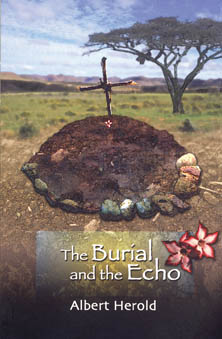
THE BURIAL AND THE ECHO, by Albert Herold. Melrose Books, Cambridgeshire. 2008. 70pp.
Reviewed by Michael Shackleton
 Death, it has been said, is easier to endure than birth. Death ends with a last breath, unlike the first moment the new-born baby experiences the shock of being expelled from the warm womb into the cold glare of light and the trauma of drawing air into the lungs for the first time.
Albert Herold is the parish priest of Mtunzini. He has ministered to the people of Zululand for more than 50 years. Here, in a few pages of tightly written narrative, he weaves the simple story of Ntombela, a Zulu man on his way to his father’s home. He knows that an eccentric old white man, a hermit, lives in the area, and then, by chance, he finds the white man’s home. He also finds him dead.
Knowing that the man belonged to no tribe and hence no one was responsible for burying him, Ntombela decides to bury him himself. The description of this corporal work of mercy is deeply moving, as Ntombela shows the Zulu respect for the dead combined with the Christian expectation of the resurrection of the body.

At each moment of preparing the man for burial and placing the body in the grave, there are brief thoughts about death and how it levels all of humanity to no more than a corpse, whether honoured, dishonoured or unknown. Death is, in the last analysis, the body passing back into the womb, the womb of the earth from which it came, to wait for the passing of time till it is reborn to eternal life.
As an impressive meditation on Christian death, The Burial and the Echo is probably one of the best and most thought-provoking and spiritual little treatises you are likely to find.
Michael Shackleton is a former editor of The Southern Cross.
- The Day a Saint Shoved Me - November 11, 2025
- Is the Doxology Part of the Lord’s Prayer? - September 25, 2025
- Can a Christian Doubt Heaven? - June 24, 2025