
Stop the Bullying
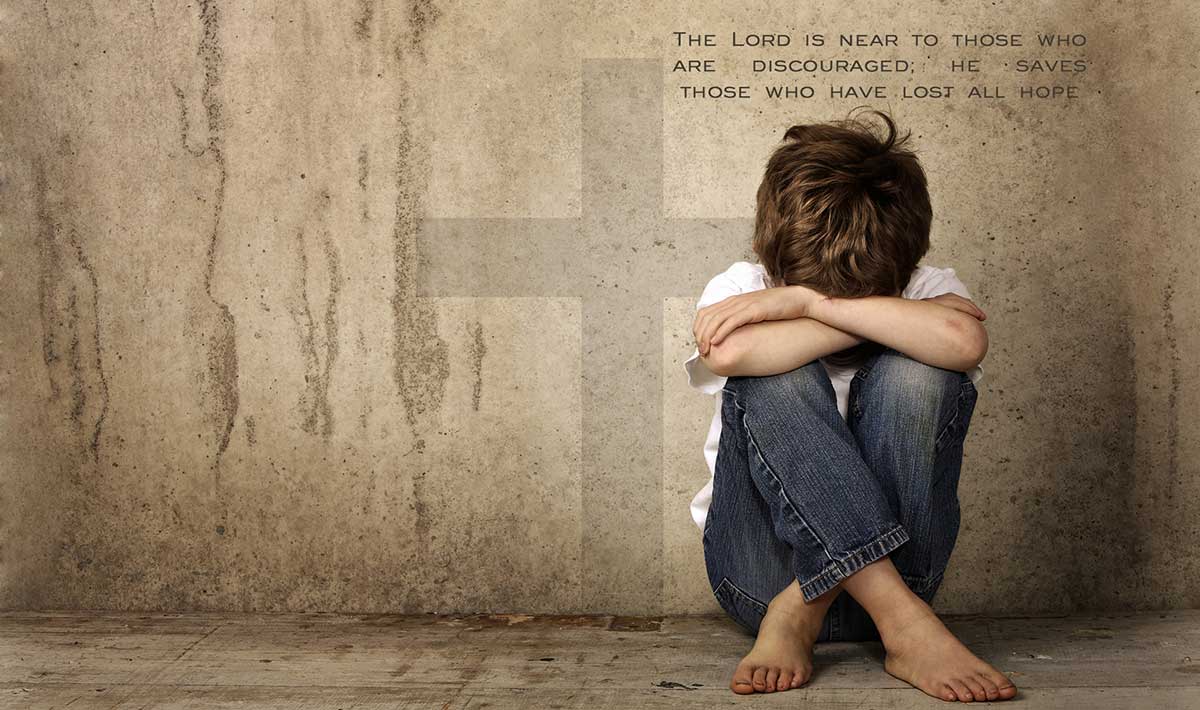
Psychologists may cite a range of reasons to explain why some people bully others, but Pope Francis has identified in blunt language the spiritual roots of the harassment of others.
“When we realise that we harbour within ourselves the desire to attack someone because they are weak, we have no doubt: It is the devil. Because attacking the weak is the work of Satan,” the pope said in a homily at Mass in his residence in the Vatican.
His words come at a time when even the president of the United States acts in the ways of a schoolground bully, thereby helping to normalise behaviour which ought to be vigorously discouraged. And like the modern school bully, he uses social media to attack and demean his targets.

Peer abuse includes not only physical intimidation and extortion, but also non-corporal forms of persecution such as systematic taunting and teasing, sexual harassment, gossip and social ostracism
The phenomenon of bullying has long been downplayed as a rite of passage which forms part of growing up. But parents must not accept platitudes that conflicts are best settled by youngsters themselves, that victims of bullying should immunise themselves from hurt, or that being bullied provides preparation for the hard knocks of adult life.
Peer abuse includes not only physical intimidation and extortion, but also non-corporal forms of persecution such as systematic taunting and teasing, sexual harassment, gossip and social ostracism.
Bullies now have access to modern technology to assault their victims: by harassing them, or demeaning them, or slandering them, or by coordinating their social exclusion. Although observable, it is difficult to legislate against such forms of victimisation.
The effects of non-corporal bullying tend to be more devastating than physical harassment. In many cases peer abuse has resulted in children abandoning school and even in suicides. Indeed, often it is almost impossible for many parents to know what is happening because their children interact with their peers in what might as well be a different universe
Parents and teachers tend to be quite powerless to counteract this, whether their children are the perpetrators or victims of bullying. They have not grown up with the technologies that to Millennials come naturally, and most are unfamiliar with the mechanics and methods of modern types of bullying. For adults it is a challenge to identify specific cases of cyber-bullying and to respond to them appropriately.
Indeed, often it is almost impossible for many parents to know what is happening because their children interact with their peers in what might as well be a different universe.
But this does not absolve parents and other caregivers from responsibility. For one thing, young people — and not a few adults — must be conscientised to understand that peer abuse is an infringement on the rights of others. Bullying has consequences, and these must be understood.
We live in an age where even in adult discourse, there often is an abrogation of civility and charity of thought. We can see this in the conduct of “keyboard warriors” on the Internet, in the demagoguery of politicians, and in the cold-hearted bigotry exhibited even by people who imagine themselves to be compassionate. Bullying subverts God’s love of the individual, especially those who are vulnerable and marginalised. It desecrates the dignity of the individual
This is a social disease, and the basic codes of decency and empathy need to be restated, and even reformulated.
The Christian response to bullying is to condemn it, to act against it and to work to prevent it. Bullying subverts God’s love of the individual, especially those who are vulnerable and marginalised. It desecrates the dignity of the individual.
Schools and parents must adopt a proactive method to bullying, as many already do. It involves identifying and ending bullying when it occurs, and implementing measures to prevent peer abuse.
This might require limitations to a minor’s privacy as parents may need to supervise and, if necessary, act on a child’s Internet activities — also as a means of protecting them from harm (these restrictions must, of course, be sensitively mediated, as explained in Dr Joan Ibeziako’s article this week). Prevention has to include reactive measures, but an effective anti-bullying approach must also seek to identify why a child or teenager engages in abusive behaviour
Prevention has to include reactive measures, but an effective anti-bullying approach must also seek to identify why a child or teenager engages in abusive behaviour — and whether they actually realise the harm they are doing.
It is self-evident that by addressing the causes of bullying, the effects of the phenomenon can be reduced.
There must be no room in schools and society for situations that cause children hurt and anxiety. Children have the right to grow up in a safe environment, without fear. It is our collective responsibility to protect that right.

- The Look of Christ - May 24, 2022
- Putting Down a Sleeping Toddler at Communion? - March 30, 2022
- To See Our Good News - March 23, 2022



