“From ‘them’ to ‘us’.” This was the call of a regional Church gathering that discussed a change of culture in Catholic communities across southern Africa in how they accept people with disabilities.
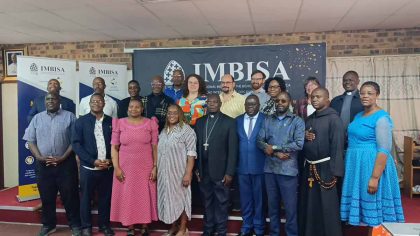
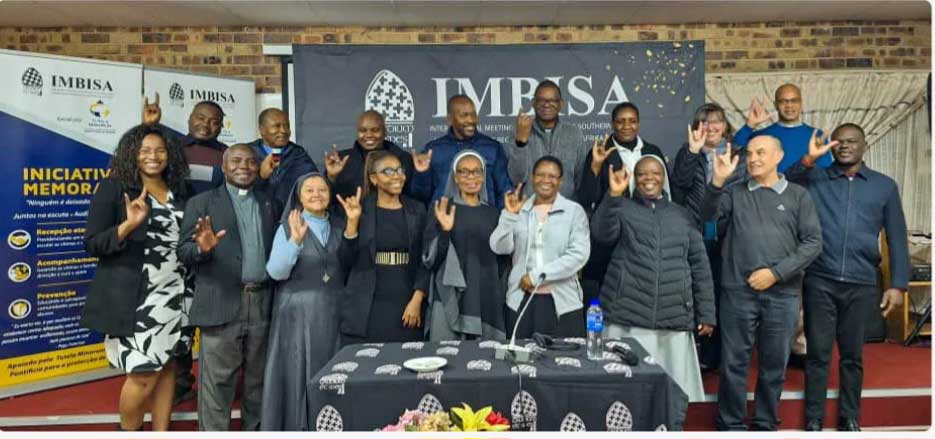
Inclusion of people with disabilities is “a right and an expression of God’s love” — and must move beyond good intentions to concrete action, according to delegates at the meeting at the Padre Pio Retreat Centre in Pretoria convened by the Inter-Regional Meeting of the Bishops of Southern Africa (IMBISA).
The meeting was held under the theme “Bridging the Gap: A Regional Conference on Communication and Disability in the IMBISA Region”. The gathering brought together bishops, priests, religious and lay people from across the region.
Their final statement repeatedly stresses that welcome alone is not enough. “The inclusion of people with disabilities requires moving from mere welcoming to active participation,” the delegates say in a statement. They call for Catholics with disabilities to be recognised “as full Catholic Christians, not just recipients of help”.

The Church’s ongoing synodal journey, they noted, offers “a particularly opportune moment” to respond to what the meeting described as a fundamental request: “their full inclusion in the life of the Family of God.” That inclusion must be visible and practical — in access to the sacraments, in catechesis, and in the everyday life of parishes.
Removal of Barriers
To achieve this, the statement calls for the removal of “physical, communicational, and attitudinal barriers”. That includes everything from eliminating architectural obstacles in churches to ensuring sign language interpretation, audio descriptions and the availability of Church documents in Braille.
At the same time, it means addressing less visible barriers: prejudice, assumptions, and what the delegates described as the mentality of people with disabilities being a “separate group”.
Participants committed themselves “to working within the Church and beyond to overcome prejudice,” urging “a true conversion of heart that embraces disability as part of the diversity of the community”. In that vision, people with disabilities are not on the margins but at the centre, serving as “catechists, readers, and pastoral leaders” — a development encouraged by Pope Francis.
Training and formation are essential to realising that vision. The statement highlights the need to equip pastoral agents to accompany people with disabilities on “personalised paths of preparation for the sacraments”, including marriage and even Holy Orders.
Training of Seminarians and Catechists
Seminarians and catechists, it adds, should be formed with “particular attention to people with disabilities”, including exposure to Braille, sign language and “direct testimonies from persons living with disabilities”.
The document insists on a shift in perspective. “Disabilities do not represent illness or inefficiency in the social and ecclesial environment,” it states. Rather, a Church that embraces inclusion reveals itself more clearly as a community of welcome — “the Family of God”.
The meeting stressed that inclusion is not an optional extra or a pastoral niche, but rather integral to the Church’s identity.

- Walking in the footsteps of Blessed Joseph Gérard: Missionary Associates renew their missionary call - October 15, 2026
- Congratulations to Navi Pillay on Peace Prize - October 14, 2026
- 170 Years of Serving the Poor in South Africa! - October 14, 2026