Question: What was on the land of the modern Vatican before the construction of St Peter’s Basilica?
Answer: Long before the old St Peter’s Basilica was built in the early 4th century AD, the land on which the modern Vatican stands was known as the Ager Vaticanus (Vatican Fields), a low-lying area on the west bank of the Tiber River, outside the city walls of Rome.
The area was considered unhealthy due to its marshy conditions and thus was sparsely populated. The Roman historian Tacitus (55–120 AD) referred to it as a slum. The name “Vaticanus” may derive from the Latin word vaticinium, meaning prophecy, possibly linked to the presence of oracles or soothsayers (vates) in the area.
From at least the 1st century AD, the slopes of Vatican Hill were used as a burial ground. Roman law forbade burials within city limits, so cemeteries were typically located along roads outside the city, such as the Via Cornelia, which passed through this area. The necropolis included both pagan and early Christian graves. Notably, St Peter’s tomb is believed to have been located here following his martyrdom around 64–67 AD.

Tradition holds that St Peter was crucified in the Circus of Nero, a chariot-racing stadium begun by Caligula and completed by Nero in 64 AD. It was the site of imperial games and the execution of many Christians. The Vatican Obelisk, now in St Peter’s Square, originally stood at the centre of this arena.
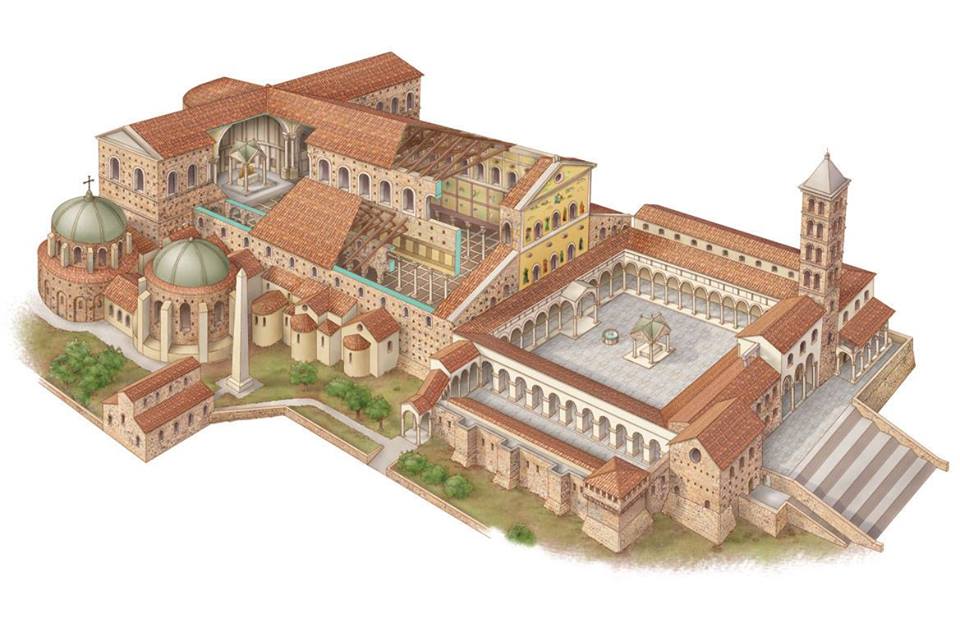
Following Peter’s martyrdom, early Christians erected a shrine over his grave, which soon became a site of pilgrimage. In around 324 AD, just a few years after he had legalised Christianity, Emperor Constantine ordered the construction of a great basilica above the Apostle’s tomb. Building it required levelling part of Vatican Hill and excavating parts of the necropolis.
The basilica was completed around 360 AD. It stood for almost 1200 years before it was deemed structurally unsound and was demolished in the early 16th century. Construction of the present St Peter’s Basilica began in 1506 and was completed in 1626.
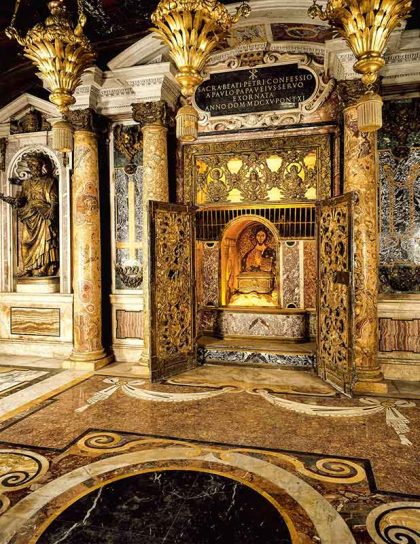
St Peter’s tomb lies directly beneath the high altar of the current basilica. Historical records and archaeological evidence strongly support the belief that the tomb holds the Apostle’s bones.
Published in the February 2026 issue of The Southern Cross Magazine

- Sydney Duval: We Call him Friend - October 8, 2026
- St Francis and Mission - October 6, 2026
- St Francis of Assisi: Creation and Brotherhood - September 28, 2026