Question: Why does the Catholic Bible have more books than there are in other Bibles?
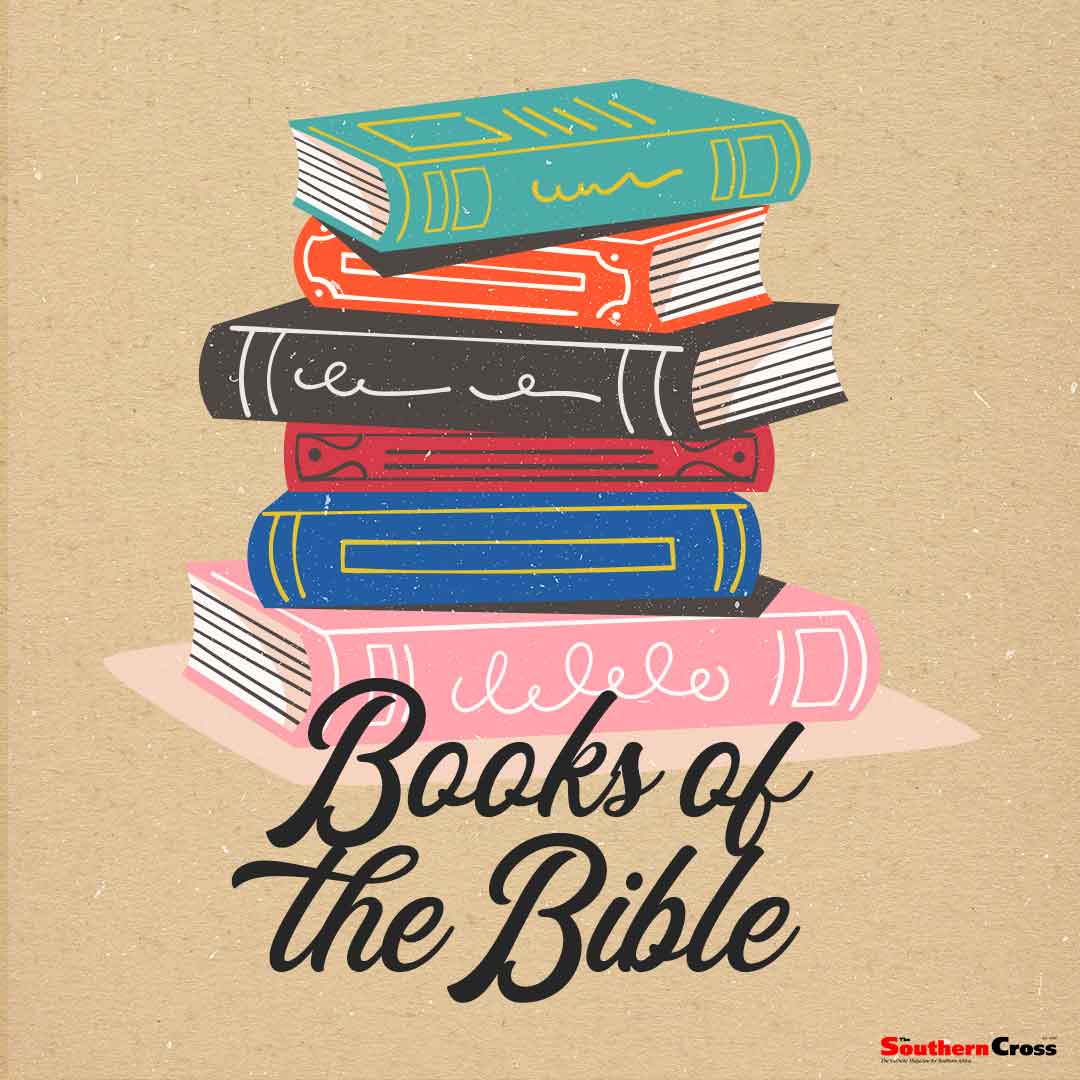
Answer: Catholic and Protestant Bibles both have the same 27 books in the New Testament. The difference in the number of books between the respective Bibles is primarily due to a collection of Old Testament writings known as the Deuterocanonical books (the word can be translated as “second canon”), which are included in the Catholic Bible but not in the Protestant Bible. In Protestant terminology, these books are termed “Apocrypha”.
Both Bibles contain the Hebrew Bible, also known as the Tanakh, which consists of three main sections: the Torah (the five books of Moses), the Nevi’im (the Prophets), and the Ketuvim (the Writings). This collection of books is accepted as complete by both Jews and Protestants.

The Catholic Bible, however, includes additional books and passages that are considered part of the Old Testament. These additional books are Tobit, Judith, Wisdom of Solomon, Sirach (or Ecclesiasticus), Baruch, and First and Second Maccabees. The Catholic Bible also includes additional portions in the books of Esther and Daniel.
The inclusion of the Deuterocanonical books in the Catholic Bible has historical roots. These books were widely accepted as part of the Old Testament in early Christianity, and they were included in the Septuagint, the Greek translation of the Hebrew Scriptures in the 3rd century BC that was commonly used by Jews and early Christians.
Disputes over inclusion
However, many early Church leaders considered these additional books as edifying but not authoritative for doctrine. So there were two schools of thought: those (such as Origen or Cyril of Jerusalem) who believed that the Scripture should include only canonical books which established doctrine for the Church, and those (such as St Augustine or Pope Innocent I) who held that books should be included in the canon if they were read in churches.
The Deuterocanonical books were included in the Vulgate, the first translation of the Bible into Latin by St Jerome in the 4th century, but he still assigned to them a secondary status.
Disagreements continued for more than a thousand years, even when the Protestant Reformation broke out in the 16th century. Some Protestant reformers, based on their interpretation of Hebrew texts and their understanding of doctrinal matters (particularly in the books of Tobit and 2 Maccabees), chose to exclude the Deuterocanonical books from their version of the Bible. Martin Luther argued that these books were not included in the Jewish canon and therefore were not divinely inspired.
The Council of Trent, called by the Catholic Church from 1545-63 to respond to the Reformation, confirmed the inclusion of the Deuterocanonical books.
Incidentally, Eastern Orthodox Bibles include not only the Deuterocanonical books but also several books and texts that are rejected as canonical by both Catholics and Protestants.

- Mass Readings: 25 October – 1 November, 2026 - October 20, 2026
- Is St Peter’s Tomb Authentic? - October 19, 2026
- Pope: Seek the Kingdom of God - October 19, 2026