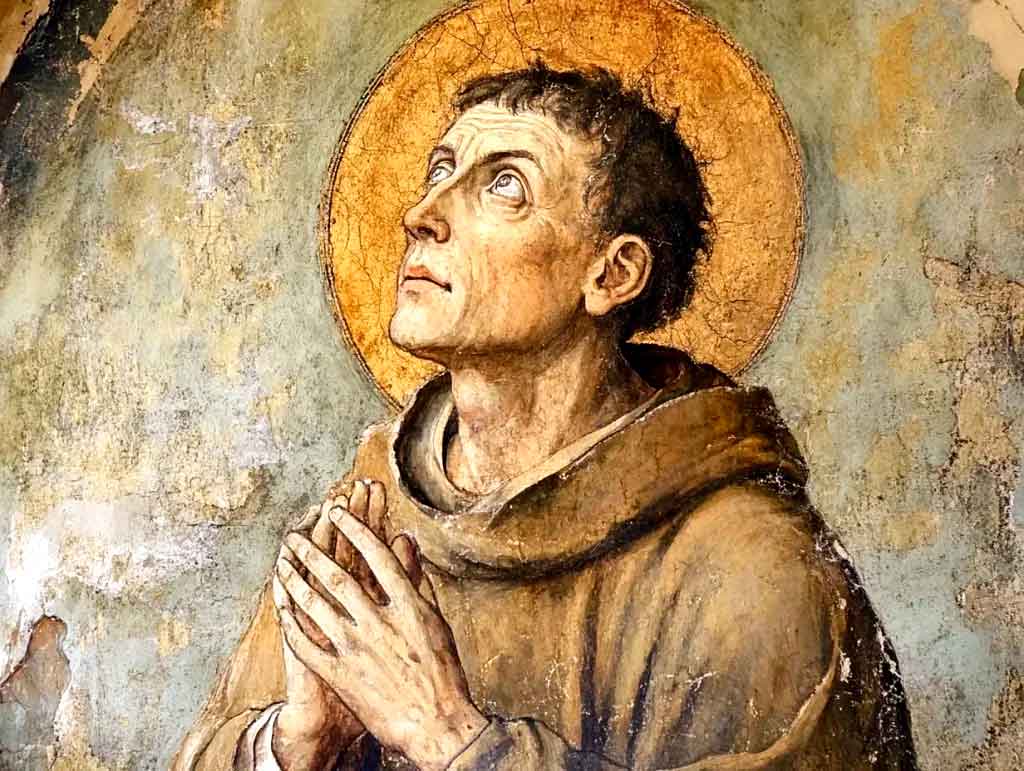
St Peregrine Laziosi went from being a violent anti-Catholic to become one of the global Church’s best-loved saints.
He once slapped a future saint, but came to be regarded as a living saint himself, even in his lifetime. And due to a miraculous healing that preserved his leg from amputation, he came to be regarded as the patron saint of those with cancer, with countless cures attributed to him.
Peregrine Laziosi was born in 1260 (some sources say 1265) as the only son of a noble family in Forlì, in what is now northern Italy. At the time Forlì was part of the Papal States — and the Laziosi family belonged to the anti-papal faction which held sway in the town.

As a result of the anti-papal resistance, Pope Martin IV placed the residents of Forlì under interdict. But he also sent Fr Filippo Benizi, the prior-general of the Friar Servants of Saint Mary (or Servites), to return the town to obedience to the pope. Fr Filippo’s arrival was met with riots. Heckled and beaten, the future saint was driven out of town.
In the midst of the rioters was young Peregrine Laziosi, who gave Fr Filippo a slap in the face. But the Servite superior’s reaction astonished Peregrine: instead of remonstrating or fighting back, Fr Filippo literally turned the other cheek. Peregrine soon regretted his offensive act. He apologised and asked Fr Filippo for forgiveness, which the priest offered with saintly kindness.
Moment of conversion
For Peregrine, it was a moment of conversion. He began to pray more and, by way of repentance, committed himself to charitable works. One day, it is said, Peregrine was praying in a chapel dedicated to Our Lady in the cathedral of Forlì when he had a vision of the Blessed Virgin guiding him to join the Servites in Siena, Tuscany.
Now in his thirties, Peregrine joined the order’s novitiate in Siena. It is said that St Filippo Benizi himself granted his erstwhile attacker the habit. After he completed his novitiate and was ordained a priest, Peregrine returned to his hometown.
In Forlì, he founded a Servite monastery and gained widespread recognition for his inspiring homilies, acts of kindness, dedicated care for the sick and the poor, and wise counsel. His reputation for wisdom and compassion attracted people to seek Peregrine’s advice, earning him the nickname “Angel of Good Counsel”. His great ability to connect with people brought many sinners and opponents of the Church into the faith — no small task in this once anti-papal city. Even those who still hated the Church were listening to him.
Peregrine was known for his strict observance of the Servite Rule, and he performed acts of profound penance. The most notable of these was his commitment to standing, refusing to sit unless absolutely necessary — a penitential exercise he maintained for 30 years. He would sit only to hear confession or when required to do so in the liturgy.
Amputation ordered
By the time Peregrine reached his sixties, this penance had given him painful varicose veins. When he developed a severe sore, probably cancerous, on his right leg, the doctors ordered its amputation.
The night before the surgery, Peregrine got up and, with great effort, made his way to the monastery’s chapter room. Before a fresco of the crucifixion, he prayed fervently for healing. As he dozed off, he had a dream of Jesus descending from the cross to heal him. As he walked back to his cell, he felt no pain. In the morning, the surgeon arrived to amputate the leg — but found that it had healed completely, leaving only a scar, so the amputation was no longer needed.
Peregrine tried to keep the miracle a secret, but word spread anyway, boosting his already widespread reputation as a holy man among the people of Forlì.
He died on May 1, 1345, from a fever, aged 85. During his crowded funeral, two miracles took place: a woman was healed of a demonic possession, and a blind man regained his sight.
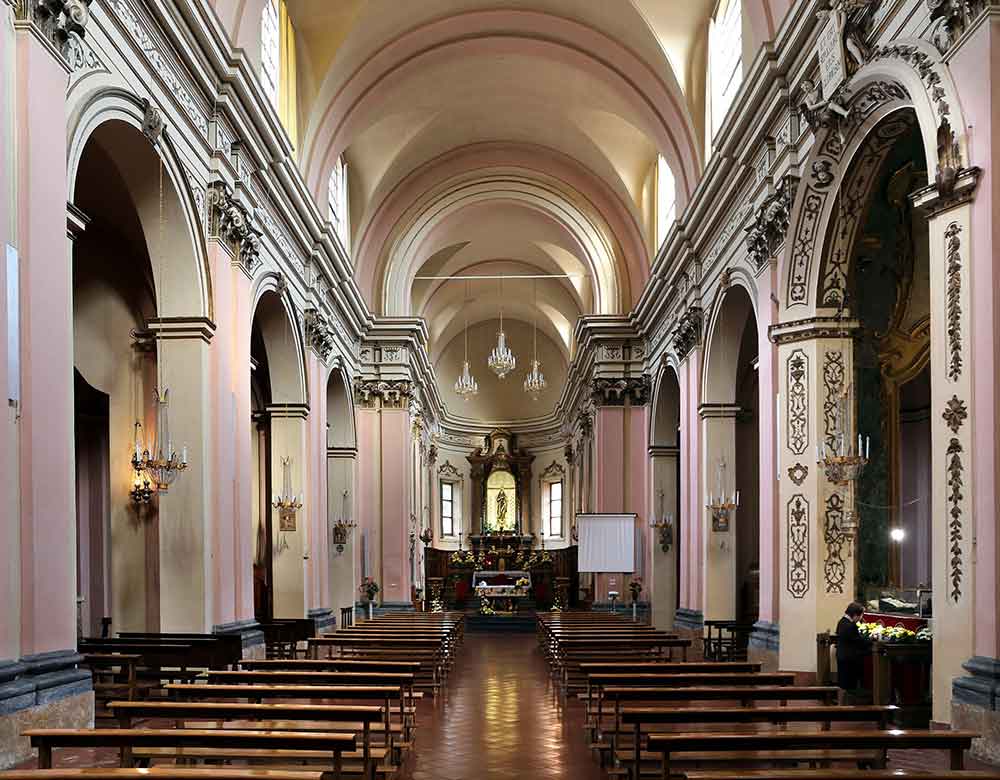
Peregrine was interred in the Servite church of Forlì, now named after the saint. As a sign of reverence, his body was placed in a niche in the wall, rather than in the ground.
His cult spread throughout Italy and beyond, particularly with the expansion of the Servite Order throughout the world, with veneration especially strong in Spain. Peregrine was beatified in 1609, and on December 27, 1726, Pope Benedict XIII canonised him.
St Peregrine is the patron saint of people with cancer, HIV/Aids, and other life-threatening illnesses. His feast day is on May 1.
The churches of Alra Park/Nigel parish in Johannesburg and Bulandzeni in Manzini, Eswatini, are dedicated to St Peregrine.

- Sydney Duval: We Call him Friend - October 8, 2026
- St Francis and Mission - October 6, 2026
- St Francis of Assisi: Creation and Brotherhood - September 28, 2026