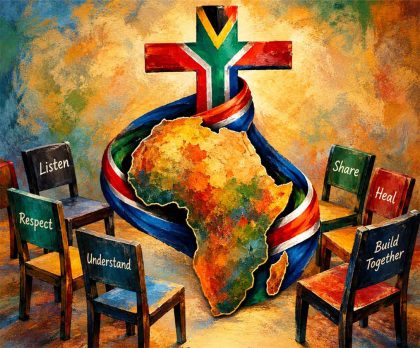
Southern Africa is home to a rich diversity of religions, cultures, and traditions. Christianity, including the Catholic Church, Protestant churches, African Independent Churches, Islam, Hinduism, Judaism, and African Traditional Religions, all contribute to the spiritual and moral life of the region.
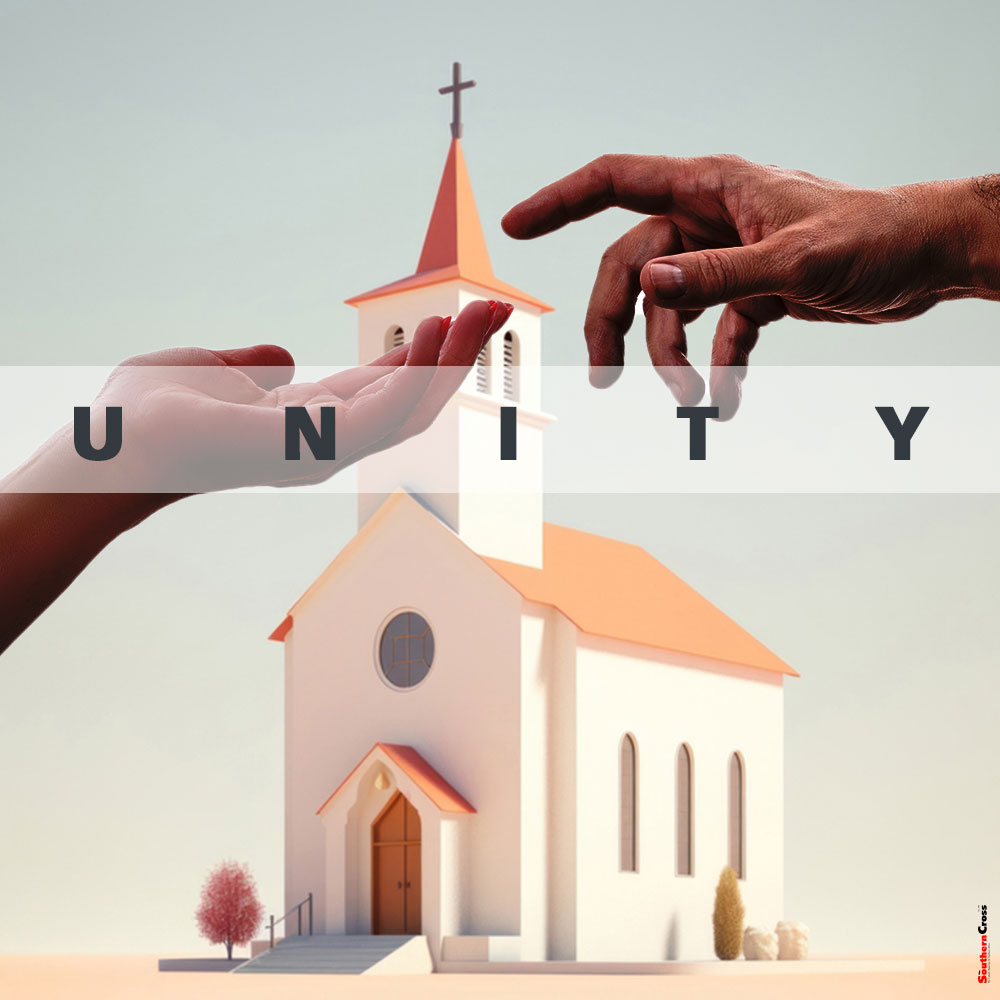
Although differences in beliefs and practices exist, there is a growing need for unity, cooperation, and mutual respect among all faiths. Religious harmony can strengthen communities, reduce conflict, and help address social problems such as poverty, violence, corruption, and inequality. By working together, religious groups can build a more peaceful and compassionate Southern Africa.
Interfaith dialogue
One important step toward cooperation among religions is promoting interfaith dialogue. Interfaith dialogue means people from different religions meeting together to discuss their beliefs, values, and concerns in a respectful manner. Through open communication, misunderstandings and prejudices can be reduced. Many conflicts arise because people fear or misunderstand those who are different from them. Religious leaders, including Catholic priests, pastors, imams, rabbis, and traditional spiritual leaders, should organise conferences, workshops, and community meetings where followers can learn about one another’s traditions. Schools and universities can also include interfaith education programs that teach young people the value of tolerance and respect.
Joint community projects
Another step is encouraging joint community projects among different religious groups. When people work together toward a common goal, they begin to see one another as partners rather than rivals. Religious organisations throughout Southern Africa can cooperate in feeding the poor, caring for orphans, supporting refugees, and assisting victims of natural disasters. The Catholic Church already has strong charitable organisations, and these can collaborate with other faith-based groups to expand their impact. Community service projects allow people to practice the shared values found in most religions, such as love, compassion, justice, and peace. These partnerships can strengthen trust and create lasting relationships among communities.

Religious leaders also play a critical role in promoting unity. Leaders are respected voices in society, and their teachings can influence millions of people. They should preach messages of peace, forgiveness, and coexistence instead of division and intolerance. In some cases, political groups have used religion to create conflict or gain power. Religious leaders must reject hatred and stand together against violence, discrimination, and extremism. By publicly supporting one another and attending each other’s important ceremonies or events, leaders can demonstrate unity and encourage followers to do the same. The example set by leaders is powerful and can inspire entire communities to embrace harmony.
Youth involvement
Youth involvement is equally important in building religious cooperation. Young people are the future of Southern Africa, and they need opportunities to interact positively with those from different faiths. Youth camps, sports events, cultural festivals, and leadership programs can bring together young people from different religious backgrounds. These activities help break down barriers and create friendships across religious lines. Social media campaigns promoting unity and tolerance can also encourage young people to reject stereotypes and embrace diversity. If the youth learn to respect one another early in life, future generations will be more united and peaceful.
Freedom of religion
Governments and educational institutions also have a responsibility to support religious harmony. Constitutions and laws should protect freedom of religion and ensure equal treatment for all faiths. Schools should teach students about the importance of diversity, human dignity, and peaceful coexistence. Media organisations can contribute by reporting responsibly on religious matters and avoiding content that promotes hatred or division. National interfaith councils can be established to advise governments on issues affecting religious communities and to mediate conflicts when they arise.
Despite challenges, cooperation among religions in Southern Africa is possible and necessary. Every religion teaches important moral values that can contribute to society’s well-being. The Catholic Church and other religious organisations must focus on what unites them rather than what divides them. By promoting dialogue, working together in community service, empowering youth, and encouraging respectful leadership, Southern Africa can become a model of religious harmony for the world. Unity does not mean abandoning one’s beliefs; instead, it means respecting differences while working together for the common good.
Prayer for Unity in Southern Africa
Heavenly Father,
Creator of all nations and all people,
We come before You with humble hearts, asking for Your guidance and peace across Southern Africa. Teach us to see one another not as enemies, but as brothers and sisters created in Your image. Remove hatred, division, prejudice, and fear from our hearts, and replace them with love, understanding, and compassion.
Lord, bless the Catholic Church and all other religious communities. Help us to work together in unity, serving the poor, protecting the vulnerable, and building peaceful societies. Give wisdom to religious leaders so that they may guide their followers with humility, truth, and respect. Strengthen the youth of our nations so they may become ambassadors of peace and reconciliation.
May Your Spirit heal wounded communities, restore broken relationships, and inspire cooperation among all faiths. Let justice, mercy, and kindness flow through every nation in Southern Africa. May our diversity become a source of strength rather than division.
We pray that Your light will shine upon our land, bringing hope where there is despair, love where there is hatred, and peace where there is conflict. Unite us in our shared humanity and lead us toward a future filled with harmony and understanding.
Amen.
- Understanding the Lives of Great People of the Bible - October 20, 2026
- Understanding the Lives of Great People of the Bible - October 16, 2026
- One Church, One Family: Learning to Welcome the Stranger - October 12, 2026