For priests responsible for forming future generations of Catholic clergy in Southern Africa, synodality is more than a concept to be studied in the classroom. It is a way of living the Church’s mission, one that calls for attentive listening, openness to different voices and a willingness to walk together, especially with those on the margins.
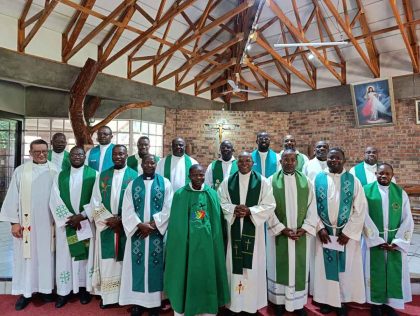
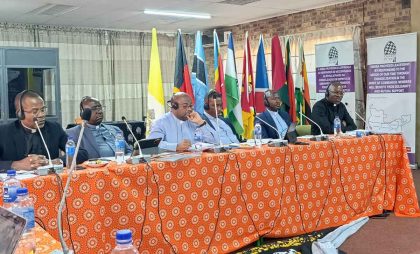
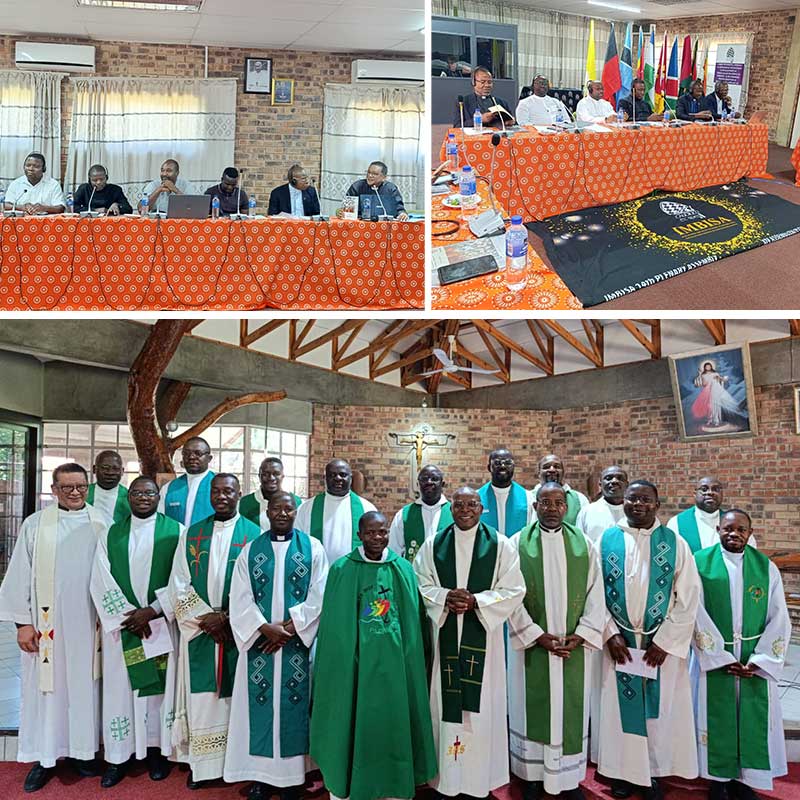
This was among the key lessons taken home by seminary rectors and formators who gathered at Padre Pio Retreat Centre in the Archdiocese of Pretoria from 27 to 30 October for a curriculum development workshop organised by the African Synodality Initiative.
The workshop brought together 18 rectors from seminaries across the Inter-Regional Meeting of Bishops of Southern Africa (IMBISA) region to reflect on how synodality can be integrated into priestly formation. Participants examined a proposed curriculum intended to help future priests understand and practise the synodal approach to Church life. For the priests interviewed during the gathering, the challenge now is to translate the discussions into concrete changes in their seminaries and, ultimately, in the pastoral life of their local Churches.
Listening with the guidance of the Holy Spirit
Father Abert Mphunyetsane Koetlisi, rector of St Augustine’s Major Seminary in Lesotho, said the workshop had deepened his understanding of synodality, particularly the importance of listening attentively and allowing the Holy Spirit to guide the Church’s discernment. “Now we say, well, it’s all about listening, but it was emphasised that it is listening attentively, listening, also asking the Holy Spirit to guide us as we listen,” he said. For Father Koetlisi, this means moving beyond personal ambitions and individual opinions to a process in which the experiences and perspectives of others are genuinely considered. He said the Church in Lesotho, including his home diocese of Leribe, was seeking to pay greater attention to people who risk being left behind, particularly those experiencing difficult circumstances. Synodality challenges the Church to ask whom it might be excluding and how those people can be brought into its life and mission. “Everybody matters in synodality,” he said. Father Koetlisi intends to begin implementing the workshop’s insights by meeting with fellow formators at his seminary to discuss how the proposed curriculum could be adapted to their formation programme. The next step would be to present their proposals to the bishops and chancellor before working towards implementation with the relevant stakeholders.

He also encouraged Catholics who remain uncertain about synodality to approach the process with patience and openness. For him, listening to people who hold different views is itself an expression of synodality. The aim is not to force everyone to agree, but to ensure that decisions emerge from genuine consultation. “Synodality calls us to conversion. Conversion of heart, conversion of mind,” he said. His message to the Church in Southern Africa was simple: “If you want to go fast, go alone. If you want to go far, go together.”
Planting seeds for the future
For Father Miranda Feliciano, spiritual director and formator at the Theology Seminary of the Diocese of Sumbe in Angola, the workshop was his first opportunity to participate in a gathering of this kind. He described synodality as an important subject that must be taught and shared in houses of formation so that future priests understand how to listen to one another and work together in proclaiming the Gospel. One of his key takeaways was the need to remain open to different cultures and experiences while cultivating a spirit of service, particularly towards poor and marginalised people. He encouraged formators to approach the task with courage and hope, recognising that the work being undertaken today could bear fruit in the future. Father Feliciano compared the workshop to a seed being planted in the soil of the Church in the region.
“In the future, we’ll grow and there will be a big tree where everyone can find a good place to live,” he said. His reflection captures the long-term nature of the initiative. Forming priests who can listen, discern and accompany their communities requires more than a single workshop. It calls for a sustained commitment to nurturing these attitudes throughout priestly formation.
Making synodality part of everyday formation
Father Canaan Dumbura, rector of Sacred Heart Pre-Major Seminary, widely known as Mazowe Seminary, in Zimbabwe, returned to the workshop with a longer perspective. He had attended an earlier synodality workshop in 2024, when participants began considering how the spirit of synodality could be incorporated into seminary formation. The October gathering provided an opportunity to reflect on progress and determine the way forward. Father Dumbura described the workshop as successful, saying the discussions reinforced the need to introduce a formal curriculum on synodality into seminaries. However, he stressed that the curriculum should not be treated as a rigid programme applied identically everywhere. Instead, seminaries should be able to adapt it to their particular circumstances, cultures and formation needs.
“We now need to have something that is very formal, a curriculum, but also the curriculum is not in black and white to say this is what we are supposed to do,” he said. He explained that the next step would be for formators in individual seminaries to reflect together on how best to implement the proposed programme. Father Dumbura adds that synodality must also extend beyond the formation house. “It should influence how the Church exercises leadership in parishes, small Christian communities and families.”
He suggested that the Church could develop a leadership manual to help communities incorporate synodal principles into their daily lives. Even within families, he said, parents and children could benefit from sitting together to discuss matters affecting their household, with parents remaining open to learning from their children. His reflections also highlighted the importance of ensuring that women have a meaningful presence in priestly formation. Drawing attention to the need for seminarians to interact with women during their formation, Father Dumbura said this could help future priests develop healthier relationships and a deeper understanding of the experiences of the people they would eventually serve.
From the workshop to the wider Church
The experiences of the three priests point to a common understanding that synodality cannot remain a theoretical subject reserved for Church documents and academic discussions. It must shape how future priests listen to the faithful, engage with people from different cultural backgrounds and make pastoral decisions. The proposed curriculum offers an opportunity to give this formation a more structured place in seminary life, while allowing individual institutions to respond to their local contexts. Yet the responsibility does not rest with formators and seminarians alone.
As the priests emphasised, synodality calls the entire Church to participate in a process of listening, discernment and shared responsibility. For Father Koetlisi, this includes those whose circumstances might place them on the margins. For Father Feliciano, it requires openness, service and hope. For Father Dumbura, it must become visible in the everyday relationships and leadership structures of Christian communities. Together, their reflections underline the significance of the African Synodality Initiative’s work to prepare future priests not simply to speak about a synodal Church, but to help build one through the way they serve God’s people. Participants and rectors, who were at the workshop since Tuesday, 27 October 2026, bid farewell on Friday, 30 October 2026.

- African seminary rectors seek to form priests who listen and walk with the people - October 30, 2026
- Rectors Urged to Embrace Synodality with Courage - October 29, 2026
- African Synodality Initiative reviews draft curriculum for seminaries - October 28, 2026