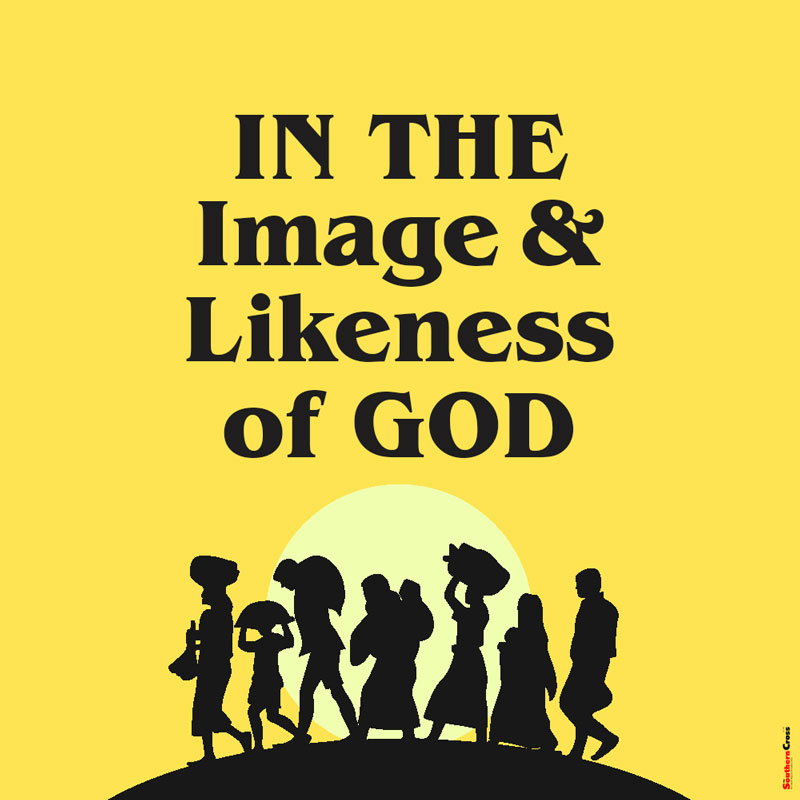
Southern Africa is a region of extraordinary diversity, spanning South Africa, Botswana, Eswatini, Lesotho, Namibia, Zimbabwe, and beyond. Beneath our rich tapestry of languages, traditions, and histories lies a foundational truth: every person is created in the image and likeness of God.
True Christian unity does not require everyone to become the same, but calls us to recognise Christ in one another—especially in the stranger, the migrant, and the refugee.
In light of recent tensions and SACBC calls to reject violence and protect human dignity, the Catholic Church must go beyond preaching from the pulpit. We are called to actively create spaces where unity is lived and experienced.
Rooted in the Gospel of Jesus
Christianity begins with a person: Jesus Christ. Throughout His ministry, Jesus consistently crossed societal divides. He ate with outcasts, touched the untouchable, and listened to the ignored. In the parable of the Good Samaritan, Christ redefined the “neighbour” as anyone who shows mercy, dismantling the artificial boundaries we use to ration our compassion.

Living this Gospel in Southern Africa means recognising human dignity before nationality, language, or border. A person from Mozambique, Zimbabwe, or Malawi does not need to prove their humanity or assimilate culturally before receiving Christian kindness. While legitimate discussions around border laws and public services are necessary, policy disagreements must never become permission to dehumanise others. We can uphold laws while steadfastly upholding human dignity.
From National Borders to One Human Family
While national identity and cultural heritage are gifts, they become problematic when used to look down on others. The Catholic Church is uniquely positioned to address this because it is inherently universal. A Catholic attending Mass in Johannesburg, Maseru, Gaborone, or Windhoek encounters the same Scriptures, the same Eucharist, and the same call to holiness.
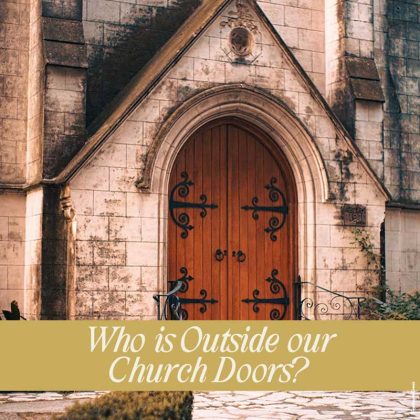
Parishes can actively harness this shared identity by becoming centers of cultural encounter. Rather than viewing migrants merely as recipients of charity, host communities should invite them to share their stories, gifts, and experiences. Hospitality is not an optional extra in Scripture; as Hebrews 13:2 reminds us, welcoming the stranger is an essential practice of faith.
Moving Faith Beyond Church Walls
Evangelisation cannot remain inside church buildings. The Eucharist we receive on Sunday must transform how we treat others on Monday. If we consume the Body of Christ, we must learn to see the dignity of Christ in every person we meet.
Young people, in particular, must be placed at the centre of this mission as ambassadors of reconciliation. Furthermore, the rich Southern African philosophy of ubuntu—the understanding that our shared humanity is interconnected—complements the Gospel call to love our neighbour and live as one Body.
Putting Vision into Action
Moving from statements to structures requires concrete steps within our communities:
- Regional Hospitality Initiatives: Parishes serving as intentional hubs of welcome for migrants and refugees.
- Intercultural Gatherings: Intentional spaces for diverse groups to pray, share meals, and build relationships.
- Youth & Leadership Formation: Regional exchange programs and leadership training centered on social cohesion, human rights, and active reconciliation.
- Listening Circles: Proactive dialogue spaces where local residents and migrants can build trust before misunderstandings turn into conflict.
Societies are built through everyday human encounters. By extending genuine hospitality and working together across borders, the Church in Southern Africa can truly embody Christ’s love—turning borders of division into bridges of peace.
- One Church, One Family: Learning to Welcome the Stranger - October 12, 2026
- Who Is Waiting Outside Our Church Doors? - October 9, 2026
- God Is There: Seek Him Today - October 6, 2026