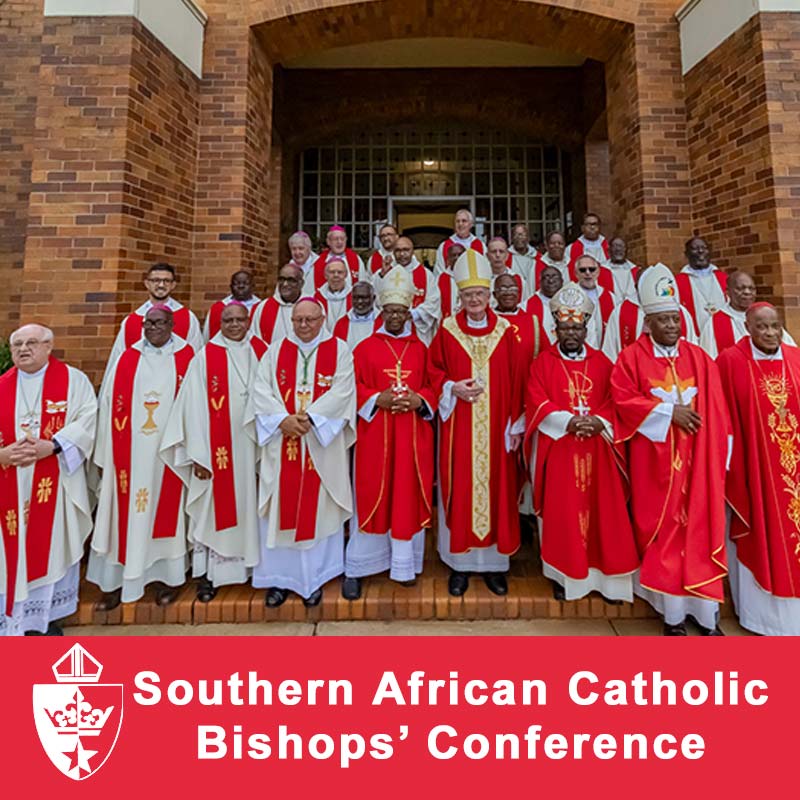
Southern African Catholic Bishops’ Conference Pastoral Statement on Violence Against Migrants in South Africa
Dear Sisters and Brothers, grace and peace to you.
We, the Catholic Bishops of Southern Africa, speak at this critical moment with a deep sense of urgency and moral responsibility regarding the escalating tensions and violence involving migrants and non-nationals in South Africa.
We unequivocally and without ambiguity condemn the acts of violence, intimidation, and displacement directed at migrants and refugees. Such actions constitute a grave assault on human dignity and a betrayal of the values that should define our society. Violence against migrants can never be justified, tolerated, or accepted.
At the same time, we must also state clearly that these protests and outbreaks of violence do not arise in a vacuum. They are symptoms of deeper and longstanding failures and broken promises that can no longer be ignored. Unless these underlying causes are honestly confronted, the cycle of anger, resentment, and violence will continue to deepen.
We wish to speak plainly: failures in governance, accountability, and leadership lie at the heart of the current crisis. For too long, the cries of the poor have gone unheard. The promises of dignity, inclusion, and opportunity remain unfulfilled for many South Africans. Persistent failures in service delivery, widening inequality, and the scandal of mass unemployment have created conditions of despair and frustration.

Competition for scarce resources such as jobs, housing, and public services has further intensified tensions between locals and migrants, particularly in economically disadvantaged communities. Porous borders, corruption within the Department of Home Affairs, and irregular immigration processes have weakened public confidence in the State’s ability to manage migration effectively.
Some businesses exploit migrant labour and pit locals against migrants, while there is also a perceived monopoly enjoyed by some foreigners over the retail trade sector in townships and rural areas.
Regrettably, the involvement of a few migrants in criminal activities, such as hijacking of buildings, human trafficking, drug trafficking, and faith leaders who exploit the poor, has exacerbated tensions. Furthermore, social tensions have also been deepened by the absence of meaningful integration between some migrant communities and local communities. Greater participation in community life, respect for local customs, and efforts to learn local languages can contribute significantly to social cohesion, fraternity, and peaceful coexistence.
While these concerns and frustrations are real and must be addressed honestly, they can never justify violence against another human being. Violent attacks on migrants documented or undocumented, remain morally unacceptable and undermine social cohesion, justice, and peace.
As people of faith, we return to the foundational truth that every person is created in the image and likeness of God. This conviction imposes upon us a non-negotiable obligation to uphold and protect the dignity of all people, especially the most vulnerable members of our communities, including migrants and refugees.
As Pope Francis reminds us in Fratelli Tutti, we are called to a fraternity that transcends borders, fear, and exclusion. We cannot build a peaceful society through hatred, scapegoating, or violence.
In light of the upcoming local government elections, we offer a particular and urgent appeal to political parties and all those seeking public office: do not exploit the migration situation or the suffering of communities for political gain. The instrumentalisation of fear, division, and human vulnerability for electoral advantage is morally unacceptable and risks further destabilising an already fragile social context. Leadership demands responsibility, restraint, honesty, and a commitment to the truth.
This is a decisive moment for our nation. The future of our society depends on whether we choose the path of justice, accountability, solidarity, and social renewal, or whether we allow injustice, fear, and division to deepen.
We therefore call for a renewed commitment to the common good, rooted in justice, human dignity, solidarity, and peace. Without justice, ethical leadership, and social responsibility, there can be no lasting peace.
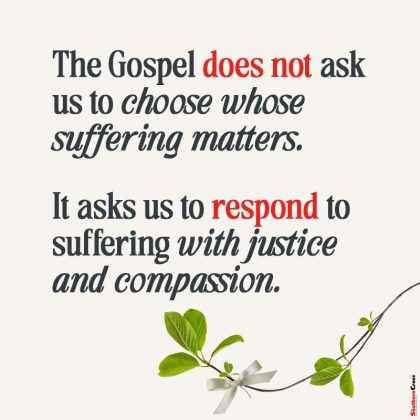
May the Lord grant us the courage to confront what is wrong, the wisdom to discern what is right, and the strength to act with justice, compassion, and truth.
Stephen Cardinal Brislin, President of the Southern African Catholic Bishops’ Conference, 20 May 2026

- SACBC Pastoral Statement on Violence Against Migrants in South Africa - May 21, 2026
- SACBC Christmas Message 2025 - December 18, 2025
- How the Church Helps Shape Young Catholics - November 14, 2025