Mental health and self-care are becoming an increasingly important part of the Church’s pastoral concern in Southern Africa, with the Interregional Meeting of the Bishops of Southern Africa (Imbisa) calling for greater awareness and practical support for priests and religious men and women.
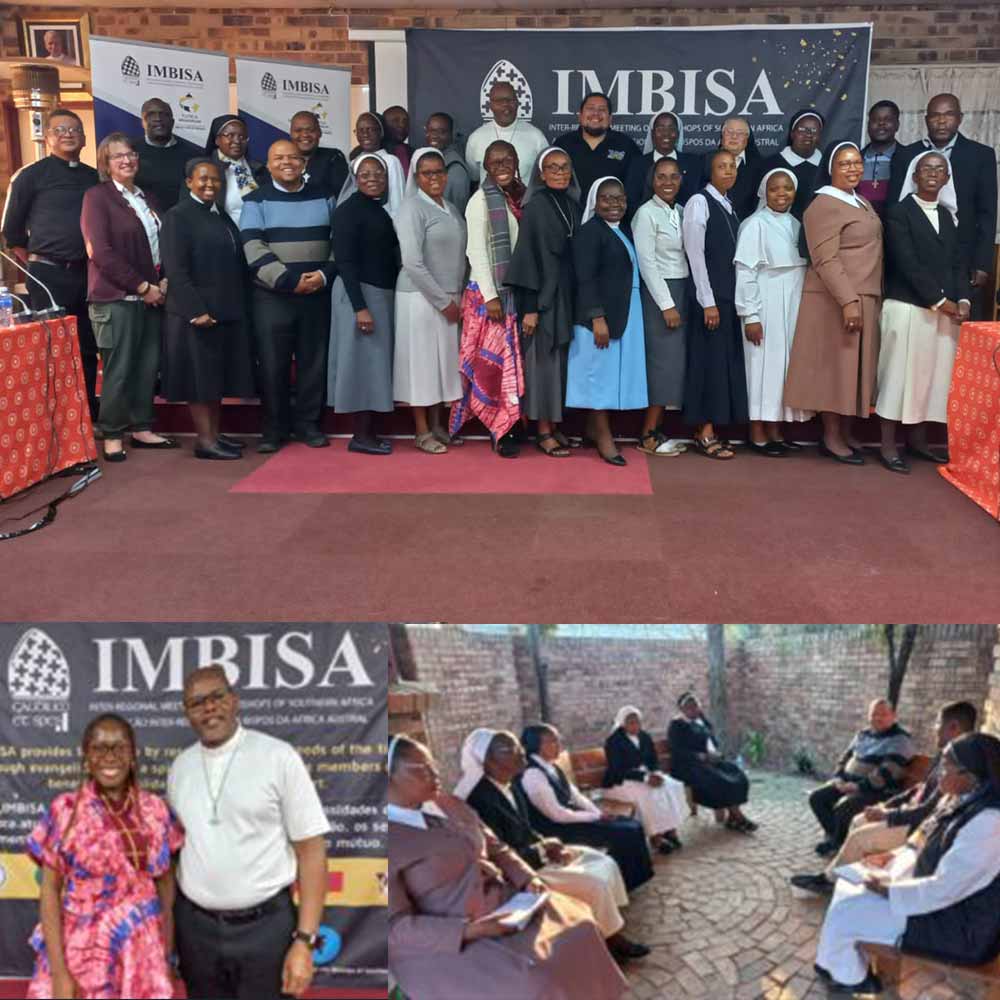
Imbisa brought together 29 participants from eight countries and 22 religious congregations for a five-day workshop at the Padre Pio Spirituality Centre in Pretoria from August 31 to September 4. The gathering sought to raise awareness of mental health and encourage bishops’ conferences and religious congregations to strengthen their support for those in ministry.
The meeting follows growing recognition within the Church that priests and religious can face significant psychological and emotional pressures. The Southern Cross reported in its August 2026 issue on psychological distress among priests, noting that Imbisa had already addressed the subject in October 2025, when it held a five-day self-care workshop for priests, also at the Padre Pio Retreat Centre.
That workshop highlighted some of the silent struggles priests and religious can face, including depression, suicidal ideation, spiritual dryness and missionary fatigue. Imbisa urged its member conferences to develop concrete, coordinated initiatives, including the possible establishment of a regional centre for priestly mental health.

The latest gathering extended that conversation to religious men and women.
Two specialists led the presentations: Fr Agostinho Maholele CSS, a Mozambican clinical psychologist trained at Eduardo Mondlane University in Mozambique and the Pontifical Gregorian University in Rome; and Dr Anthonia Bisola Otunla, a Nigerian health-care clinician who works in the Catholic Mental Health Ministry of Nigeria.
Self-care, Fr Maholele said, is the fuel that allows one’s light to shine brightly. “An empty lantern gives no light,” he said, adding that the most important function of mental health care is quality of life.
He also addressed alcohol abuse, describing it as an illness that can make religious life and ministry fragile and broken. While treatment is available, he stressed that recovery is a lifelong process requiring personal and communal effort.
“There is no health without mental health,” he said.
Fr Maholele also encouraged participants to recognise the gap that can sometimes exist between their real selves and the idealised image of the consecrated person. Awareness of this tension is important not only during initial formation but throughout ongoing formation, he said, as part of developing an integrated life of freedom.
Dr Otunla focused on the emotional pressures that can accompany caring for others. Compassion fatigue, emotional exhaustion, unresolved trauma and wounds from the past can be compounded by the expectation that priests and religious should always be available, joyful and even perfect.
If these pressures are not recognised and addressed, she warned, there is a risk of losing one’s sense of self.
“To struggle with it is not a sign of weak faith but of being human,” she said. Faith and mental health, she added, are partners rather than enemies, with mental health forming part of human dignity.
Dr Otunla described Christians as “wounded healers”, saying that wounds can become sources of healing when people allow themselves to begin healing.
She expressed the hope that the Imbisa region would develop a culture of mental health in which priests, religious and lay people continually support and accompany one another.
After each session, participants reflected in small groups using the method of Conversation in the Spirit, with prayer, listening and guided questions forming part of the process.
The week concluded with participants committing themselves to take what they had learnt back to their dioceses, congregations and countries. They agreed to share their experience with bishops and superiors and to encourage greater awareness of mental health and self-care.
Their commitment included a practical recognition that caring for others requires caring for oneself: “We commit ourselves to self-care by listening to oneself, having time to rest and creating boundaries. We will review our schedules and programmes, eliminate and reduce where needed to make time for rest and exercise, taking care of ourselves. In this way we live and lead by example.”
There was also strong support for similar workshops to be held in individual countries and dioceses. Fr Enrico Parry, director of the Imbisa Secretariat, undertook to report to the bishops of the standing committee on the participants’ desire for the bishops’ conferences to work together towards some form of regional mechanism to support local efforts to improve mental health.

- Is St Peter’s Tomb Authentic? - October 19, 2026
- Pope: Seek the Kingdom of God - October 19, 2026
- Pope Leo’s Prayer for Mission Sunday - October 17, 2026