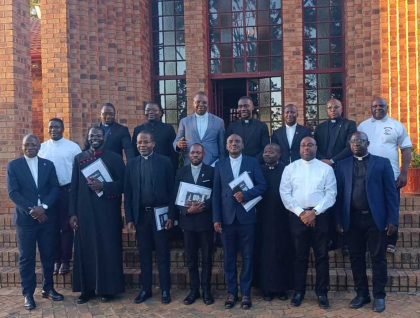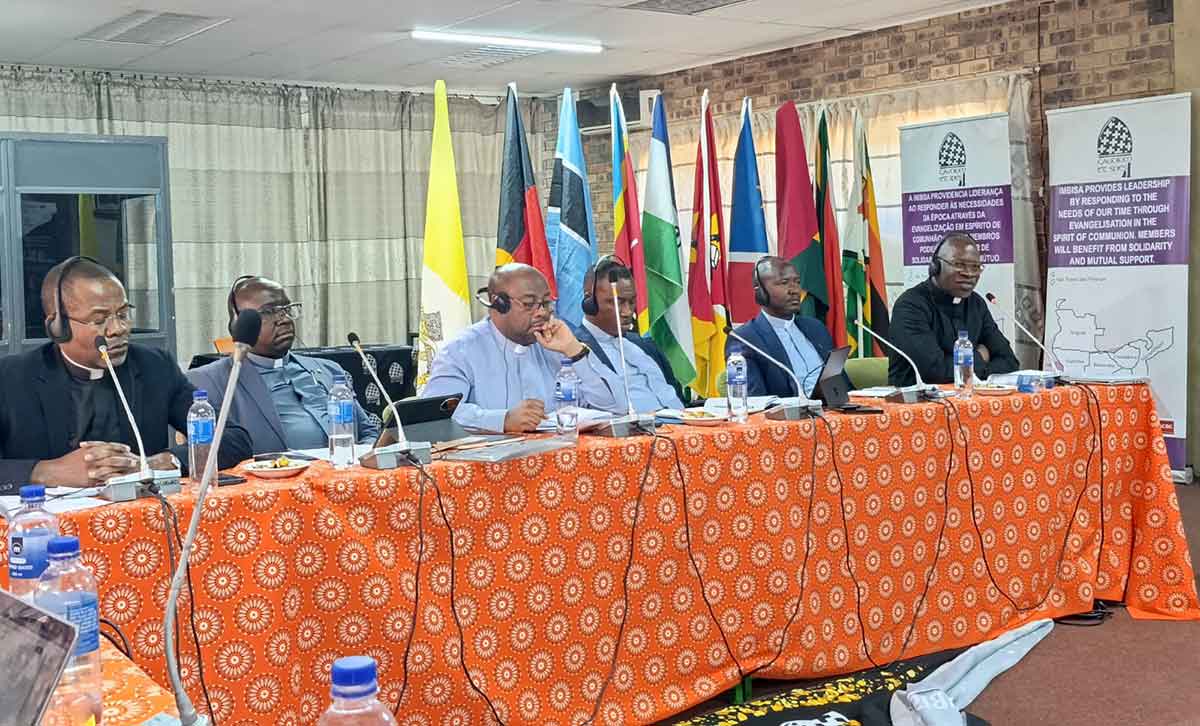
Rectors and participants at the African Synodality Initiative workshop on synodality curriculum development have reviewed a proposed syllabus aimed at equipping future priests with the theological understanding, spirituality and practical skills needed to promote synodality in the Church.
The discussions took place on Wednesday, 28 October 2026, the second day of the workshop at Padre Pio Retreat Centre in the Archdiocese of Pretoria. The workshop, which began on Tuesday, 27 October, is scheduled to conclude on Friday, 30 October.
The day began with a recap of the previous day’s discussions, presented by Father Canaan Dumbura from Zimbabwe in English and Father Analtino Inácio Savita Canguia from Angola in Portuguese.
Jesuit Father Marcel Uwineza subsequently introduced the draft syllabus, inviting participants to examine its proposed content and consider how synodality could be incorporated into seminary formation. Presenting the course outline, Father Uwineza explained that the proposed curriculum would introduce students to the biblical, historical, theological, ecclesiological and spiritual foundations of synodality.

The course would draw on Sacred Scripture, the Church’s living tradition, the teachings of the Second Vatican Council and the outcomes of the Synod on Synodality, which took place between 2021 and 2024. He emphasised that synodality should be understood not simply as a programme or methodology, but as a constitutive dimension of the Church’s life, rooted in communion, participation and mission. The proposed syllabus places particular emphasis on the spirituality and practice of synodality, including listening, authentic dialogue, communal discernment, conversation in the Spirit and shared responsibility in the life of the Church. “Ultimately, the course seeks to form future ministers and pastoral leaders who not only understand synodality as a theological principle, but also embody it as a spirituality,” Father Uwineza said.
Equipping future priests for a synodal Church
The proposed curriculum seeks to bridge theological reflection and practical pastoral formation, preparing seminarians to facilitate synodal processes in families, seminaries, parishes and religious communities. Its objectives include enabling students to critically engage with the theological foundations of synodality, develop a spirituality of synodal discernment, promote inclusive participation and co-responsibility, and contextualise synodality within their respective countries and episcopal conferences. The course also seeks to strengthen students’ ability to apply synodal principles to pastoral leadership and missionary formation.
Particular attention is given to the relationships between authority, leadership, charisms and ministries, as well as the participation of bishops, priests, consecrated persons, women and lay ministers in the Church’s life and mission. The proposed syllabus is structured as a 14-week course, although Father Uwineza noted that seminaries could adapt it to their academic calendars and existing formation programmes. Assessment would be determined by individual seminaries and could include written reflections, class participation, case studies and a final examination.
The weekly topics move from an introduction to synodality and its biblical, historical and theological foundations to the spirituality and practice of synodality in the African context. Other areas include the relationship between the Second Vatican Council and the Synod on Synodality, charisms and ministries in the synodal Church, the contribution of women, leadership and decision-making, authority and episcopal collegiality and formation for missionary discipleship.
The final weeks would focus on practical case studies, allowing students to apply the principles explored throughout the course. Father Uwineza also highlighted the importance of interactive learning, encouraging lecturers to facilitate classroom conversations and invite guest speakers, including people who participated in the Synod on Synodality, to share their experiences. The proposed readings include resources from the International Theological Commission and the final document of the Synod on Synodality, alongside material on African synodal theology.
Rectors propose adaptations to the curriculum
Following the presentation, rectors shared recommendations on the draft syllabus, considering how best to integrate synodality into the formation of future priests. Among the suggestions was that synodality could be incorporated into ongoing formation rather than introduced exclusively as a semester-long academic course.
The discussion highlighted the need to consider how the curriculum could be adapted to the different structures, academic calendars and formation requirements of seminaries across the region. The recommendations form part of the broader process of reviewing and refining the proposed syllabus to ensure that it responds to the realities of the local Church while remaining faithful to the theological and pastoral vision of synodality.
Putting synodality into practice in Africa
The curriculum development process forms part of the implementation phase of the African Synodality Initiative, which seeks to encourage the reception and practice of synodality within the African Church. By engaging rectors and those responsible for priestly formation, the initiative aims to create opportunities for synodal principles to become embedded in the preparation of future priests. The emphasis on seminaries reflects the importance of formation in shaping pastoral leaders who can foster listening, participation, discernment and shared responsibility in their communities.
The workshop provides a platform for participants to reflect on how the Church in Africa can translate the outcomes of the Synod on Synodality into practical approaches to formation and pastoral leadership. The review of the proposed syllabus represents a step towards ensuring that synodality is not taught merely as a theological concept, but experienced as a way of living and serving within the Church.
After the review session, Father Agbonkhianmege E. Orobator SJ made a presentation on the Final Document on Synodality and its implications for seminary formation and curricula.

- African Synodality Initiative reviews draft curriculum for seminaries - October 28, 2026
- African Synodality Initiative brings seminary rectors in IMBISA together to strengthen formation - October 28, 2026
- Father Dikotsi Mofokeng celebrates 25 years of priestly service - October 28, 2026